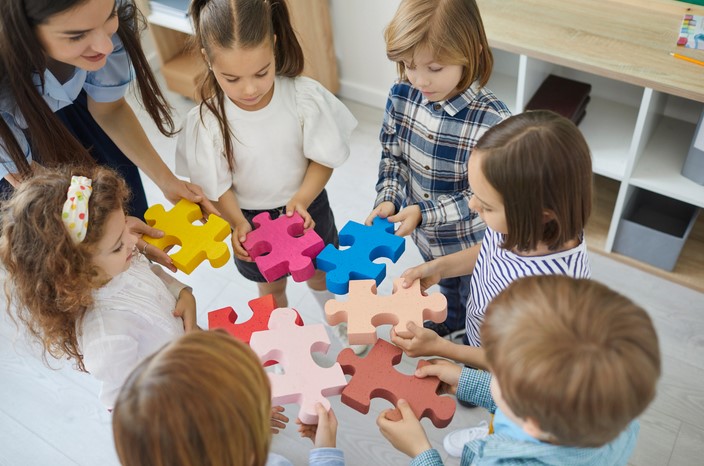
In today’s dynamic educational environment, collaboration plays a critical role in shaping student success. Educators are increasingly recognizing the importance of fostering social learners—students who thrive in group interactions and learn most effectively through communication, teamwork, and collaborative problem-solving. Social learners not only excel in academic settings but also develop essential interpersonal skills that are crucial for their future professional and personal lives. This article explores the significance of social learners in the classroom, the strategies for promoting collaboration, and the benefits of a collaborative learning environment.
The Importance of Social Learners in the Classroom
Social learning, often referred to as collaborative learning, is based on the idea that learning is enhanced when students engage in meaningful interactions with their peers. This approach encourages the exchange of ideas, critical thinking, and peer feedback, allowing students to gain new perspectives and solidify their understanding of topics.
The Benefits of Social Learning
- Enhanced Critical Thinking
Collaborative activities require students to engage in discussions, challenge each other’s ideas, and work together to find solutions. This process sharpens their critical thinking skills, as they are forced to evaluate, justify, and refine their own thoughts in response to their peers. - Development of Communication Skills
Social learners need strong communication skills to express their thoughts clearly and listen to others. By engaging in group work and discussions, students have numerous opportunities to improve their verbal and non-verbal communication abilities. These skills are invaluable not only in the classroom but also in everyday life and future careers. - Increased Engagement and Motivation
Students who are social learners are more likely to stay engaged in their education. Collaborative activities break the monotony of traditional lectures and keep students actively involved in the learning process. Working with peers can also provide a sense of accountability, motivating students to contribute their best efforts. - Social and Emotional Growth
Collaborative learning helps students develop social and emotional intelligence. By working with others, students learn how to negotiate, resolve conflicts, and empathize with diverse perspectives. These skills are vital for success in both academic and social contexts.
Fostering Social Learners in the Classroom
While social learners naturally thrive in environments that promote collaboration, it is essential for teachers to intentionally design activities that encourage peer interaction and group learning. There are several strategies that can be implemented to foster a more collaborative learning environment.
- Group Work and Team-Based Projects
Incorporating group work into the curriculum is one of the most effective ways to promote collaboration among students. Assigning team-based projects allows students to combine their strengths and work together toward a common goal. Group projects can be used across all subjects, from science experiments to literature discussions. - Peer Teaching and Peer Feedback
Peer teaching, where students take on the role of a teacher and explain concepts to their peers, is another excellent way to encourage collaboration. Peer feedback, in which students review and provide constructive criticism on each other’s work, fosters both teamwork and accountability. - Collaborative Technology Tools
In today’s digital age, technology can be a powerful tool for promoting collaboration. Platforms like Google Classroom, Padlet, and collaborative document editors allow students to work together in real-time, regardless of location. These tools provide students with opportunities to share ideas, edit documents together, and engage in virtual discussions. - Structured Discussions and Debates
Creating opportunities for structured discussions and debates can encourage social learning in the classroom. By setting clear guidelines and topics for discussion, students are encouraged to articulate their ideas, listen to their peers, and engage in respectful dialogue. This type of collaboration promotes deeper learning and helps students practice essential communication skills. - Scaffolded Collaboration
For students who may struggle with collaboration, it is important to scaffold their experience. Teachers can start with smaller, more manageable group activities and gradually increase the complexity of the tasks as students build their confidence and teamwork skills. Providing clear roles and expectations within groups can help students understand how to effectively contribute to the team.
The Future of Social Learning
As education continues to evolve, fostering social learners will remain a central goal for educators. The importance of collaboration in preparing students for the workforce, where teamwork and communication are key, is undeniable. Moreover, social learning aligns with the growing emphasis on 21st-century skills such as problem-solving, creativity, and adaptability. As students engage in collaborative learning environments, they are better equipped to face the challenges and opportunities of the future.
Incorporating Social Learning Across Curricula
Teachers can integrate social learning across various subjects, ensuring that collaboration becomes a key component of every learning experience. From group problem-solving in mathematics to collaborative storytelling in language arts, students can benefit from working together in any subject area. By making social learning a core aspect of the curriculum, educators can prepare students to be not only knowledgeable but also effective communicators, collaborators, and leaders.
In conclusion, fostering social learners in the classroom is a powerful way to enhance both academic achievement and personal development. By creating opportunities for collaboration, students develop critical thinking, communication, and interpersonal skills that are essential for success in today’s world. With the right strategies and a commitment to promoting social learning, educators can create an engaging, inclusive environment where students thrive both academically and socially. As we continue to prioritize collaboration in education, the future of social learners looks bright and full of potential.