In the modern educational environment, ensuring the safety and security of students and staff is a priority. With an increase in incidents that threaten the safety of learning spaces, innovative solutions are being developed to address these challenges. Among these solutions is the concept of bulletproof blankets, a novel approach designed to provide an additional layer of protection during emergencies. This article explores the need for such measures, the role bulletproof blankets can play in enhancing school safety, and the considerations for implementing them effectively.
The Rising Need for Enhanced School Safety
Understanding the Risks
Schools are traditionally viewed as safe havens for learning and development. However, recent years have seen an uptick in incidents such as active shooter situations, making security measures a pressing concern. From drills to surveillance systems, schools are adopting a multi-layered approach to safeguard their communities. Yet, these measures often fall short in providing physical protection during critical moments.
This gap has led to the exploration of innovative tools like bulletproof blankets. These blankets are designed using advanced materials that can resist bullets and other projectiles, offering a portable and immediate defense mechanism for students and staff.
How Bulletproof Blankets Work
Technology Behind the Protection
Bulletproof blankets are typically made from high-performance fibers such as Kevlar or polyethylene, materials known for their strength and lightweight properties. These blankets are engineered to absorb and dissipate the energy of a projectile, significantly reducing the risk of injury.
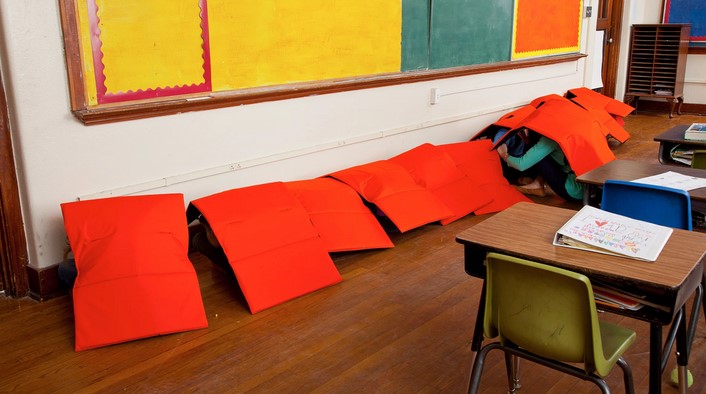
The lightweight nature of these blankets makes them easy to store and deploy in classrooms, hallways, and other areas. During emergencies, they can be used as shields or barriers, offering a practical and quick-response option compared to stationary protection methods like bulletproof doors or windows.
Implementing Bulletproof Blankets in Schools
Benefits and Challenges
Integrating bulletproof blankets into schools requires careful planning and consideration. Here are some key points to weigh:
- Accessibility: Bulletproof blankets need to be easily accessible during emergencies. Storage solutions such as designated lockers or wall mounts can ensure they are within reach.
- Cost Implications: The cost of manufacturing and distributing bulletproof blankets on a large scale can be significant. Schools must evaluate their budgets and consider partnerships or grants to fund such initiatives.
- Training: Teachers and staff need proper training on how to use these blankets effectively during emergencies to maximize their protective potential.
Building a Holistic Safety Strategy
While bulletproof blankets are a promising innovation, they should be part of a broader safety plan. This includes investing in prevention strategies such as mental health support, fostering a positive school climate, and implementing strict access control measures.
The Future of Safety in Education
As educational institutions continue to explore advanced safety solutions, bulletproof blankets represent a practical and potentially life-saving tool. By providing immediate protection, they can serve as a critical component in emergency preparedness. However, their successful integration into schools hinges on proper planning, funding, and training.
Ultimately, the safety of schools is a shared responsibility that requires the collaboration of educators, policymakers, parents, and communities. Through continued innovation and proactive measures, we can work towards creating environments where students feel secure and focused on learning. As schools adopt tools like bulletproof blankets, the goal remains to ensure that every child and educator has the opportunity to thrive in a protected and nurturing space.