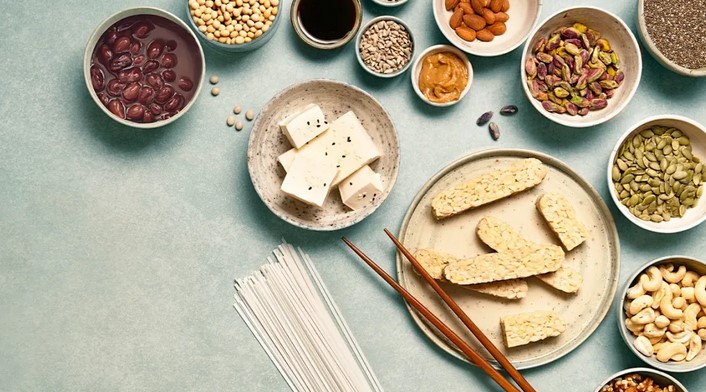
As more people adopt plant-based diets or look to reduce their meat consumption for health, environmental, or ethical reasons, the demand for plant-based protein alternatives has grown significantly. Whether you’re a full-fledged vegan, a vegetarian, or simply someone trying to incorporate more plant-based foods into your diet, finding best plant-based proteins is key to meeting your daily nutritional needs. Unlike animal-based proteins, plant proteins often come packed with fiber, antioxidants, vitamins, and minerals, offering a range of health benefits. In this article, we’ll explore some of the top plant-based protein sources that are not only nutritious but also delicious, helping you build well-balanced meals that support your health and well-being.
1. Legumes: The Powerhouses of Protein
Legumes are some of the most well-known and versatile sources of plant-based protein. These nutrient-dense foods include beans, lentils, peas, and chickpeas. Legumes are rich in protein, fiber, iron, and various vitamins and minerals, making them an excellent choice for those looking to boost their protein intake without relying on animal products.
Beans and Lentils: Nutrient-Rich Protein Sources
Beans and lentils are particularly high in protein, providing around 15-18 grams of protein per cooked cup. They are also incredibly versatile and can be used in a wide range of dishes, from stews and soups to salads and veggie burgers. Black beans, kidney beans, pinto beans, and chickpeas (garbanzo beans) are especially rich in protein and fiber, while also being low in fat.
Lentils, on the other hand, are quick to cook and are an excellent addition to soups, curries, and salads. In fact, lentils are one of the highest plant-based protein sources, offering 18 grams of protein per cooked cup, and are packed with folate, iron, and magnesium, making them a nutritious choice for vegans and vegetarians alike.
Peas: Small but Mighty
Peas, including green peas, snow peas, and split peas, are another great option. A cup of cooked green peas offers around 9 grams of protein and contains a good amount of fiber. Split peas, in particular, are high in protein, providing around 16 grams of protein per cup. They are also an excellent source of vitamins B1 (thiamine), B6, and folate, which support overall well-being.
2. Nuts and Seeds: Protein in Every Bite
Nuts and seeds are not only high in protein, but they also provide healthy fats, fiber, and various vitamins and minerals. These plant-based protein sources are particularly useful as snacks or to add extra protein to meals.
Almonds, Walnuts, and Pistachios: Protein-Packed Nuts
Among the best plant-based proteins, nuts like almonds, walnuts, and pistachios are excellent choices for boosting your protein intake. A quarter cup of almonds contains around 7 grams of protein, while walnuts and pistachios provide around 6 grams per serving. In addition to protein, these nuts are rich in heart-healthy monounsaturated fats and omega-3 fatty acids, which contribute to reduced inflammation and better cardiovascular health.
Nuts are also packed with other nutrients, such as vitamin E, magnesium, and antioxidants, which support brain health, improve immune function, and protect cells from oxidative stress.
Chia Seeds, Hemp Seeds, and Pumpkin Seeds: Tiny Protein Giants
Seeds, though small in size, are packed with nutrients and can provide a significant amount of plant-based protein. Chia seeds, for example, offer about 4 grams of protein per 2-tablespoon serving, and are also loaded with omega-3 fatty acids, fiber, and antioxidants. Hemp seeds, another great choice, contain around 10 grams of protein per 3 tablespoons and are rich in essential fatty acids like omega-6 and omega-3, making them an excellent addition to smoothies, yogurt, or salads.
Pumpkin seeds, or pepitas, are another high-protein seed, offering about 9 grams of protein per ounce. They’re also an excellent source of magnesium, zinc, and iron, making them a highly nutritious addition to your plant-based protein repertoire.
3. Whole Grains and Pseudo-Grains: Protein-Rich Staples
Whole grains and pseudo-grains (grains that aren’t technically true grains but are used in a similar way) are another fantastic source of plant-based protein. These grains offer a wide range of amino acids, fiber, vitamins, and minerals, making them essential for a well-rounded diet.
Quinoa and Amaranth: Superfood Grains
Quinoa is one of the few plant foods considered a “complete protein,” meaning it contains all nine essential amino acids. It provides around 8 grams of protein per cooked cup and is also a good source of fiber, iron, magnesium, and B-vitamins. Amaranth, another pseudo-grain, is similarly protein-packed, offering about 9 grams of protein per cooked cup. Like quinoa, amaranth is a complete protein, making it an excellent choice for those who are following a plant-based diet.
These grains are easy to incorporate into meals such as salads, stir-fries, or as a side dish. You can also use quinoa to make protein-rich veggie burgers or as a base for a hearty grain bowl with your favorite vegetables and legumes.
Brown Rice and Oats: Everyday Staples
Brown rice, while not as high in protein as quinoa, still offers a respectable 5 grams of protein per cooked cup. It is also an excellent source of fiber and a great addition to any plant-based meal. Oats are another staple that provides protein, with about 6 grams of protein per cup when cooked. Oats are also loaded with soluble fiber, which helps reduce cholesterol levels and improve digestion.
Incorporating the best plant-based proteins into your meals doesn’t have to be difficult or monotonous. Whether you’re enjoying a hearty bowl of lentils, adding a sprinkle of hemp seeds to your smoothie, or cooking up a delicious quinoa salad, plant-based proteins offer a wide array of tasty and nutritious options to fuel your body. By diversifying your protein sources, you not only improve your nutritional intake but also help support the environment and reduce your ecological footprint. The key is to experiment with these plant-based options, find what works for you, and make them an integral part of your healthy, balanced diet.