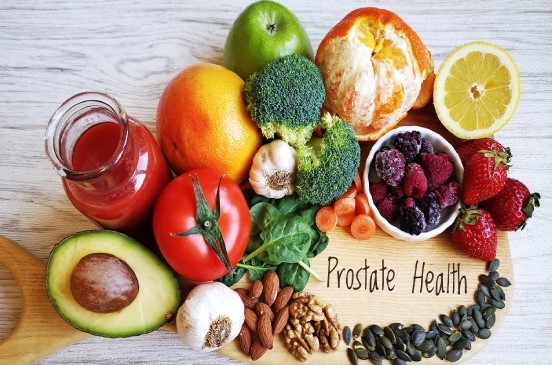
Prostate health is an important concern for men, especially as they age. The prostate, a small gland located below the bladder, plays a key role in the male reproductive system. Maintaining prostate health is crucial, as issues like benign prostatic hyperplasia (BPH), prostatitis, and prostate cancer can affect quality of life. While medical treatment is essential for managing prostate conditions, a healthy diet can be just as important in supporting prostate function and overall well-being. In this article, we will explore some essential diet tips for prostate health that every man should consider to help protect and promote prostate function as they age.
1. Focus on Anti-Inflammatory Foods
Inflammation is one of the key factors that can contribute to prostate problems, including conditions like prostatitis and BPH. Eating foods that help reduce inflammation can be beneficial in maintaining a healthy prostate.
Incorporate Omega-3 Fatty Acids
Omega-3 fatty acids, found in fatty fish like salmon, mackerel, and sardines, are well-known for their anti-inflammatory properties. These healthy fats can help lower inflammation in the body, including in the prostate. If you’re not a fan of fish, omega-3s can also be obtained from plant-based sources like flaxseeds, chia seeds, and walnuts. Regular consumption of omega-3-rich foods may help reduce the risk of prostate problems and improve prostate health.
Fresh Fruits and Vegetables
Eating a variety of colorful fruits and vegetables is essential for prostate health, as they are rich in antioxidants that fight oxidative stress and inflammation. Vegetables like tomatoes, broccoli, and kale are particularly beneficial. Tomatoes are high in lycopene, an antioxidant that has been linked to a reduced risk of prostate cancer. Cruciferous vegetables, such as broccoli, cauliflower, and Brussels sprouts, contain compounds that may help protect against prostate diseases by promoting detoxification and reducing inflammation.
In addition to anti-inflammatory foods, focusing on a variety of plant-based foods like leafy greens, berries, and citrus fruits can provide essential vitamins, minerals, and phytonutrients to support overall prostate health.
2. Reduce Consumption of Red Meat and Processed Foods
One of the most important diet tips for prostate health is to limit the intake of red meat and processed foods. Studies have suggested that high consumption of red meat, particularly processed meats like bacon, sausages, and hot dogs, may increase the risk of prostate cancer. These foods are often high in unhealthy fats, preservatives, and chemicals that can contribute to inflammation and oxidative stress.
Choose Lean Proteins and Plant-Based Options
Instead of red meat, consider incorporating lean protein sources like skinless poultry, fish, and plant-based protein options such as beans, lentils, and tofu. These options provide essential nutrients without the inflammatory effects associated with red and processed meats. Additionally, plant-based proteins offer the added benefit of fiber, which supports digestive health and helps maintain a healthy weight — an important factor for overall prostate health.
Cut Back on Processed Foods
Processed foods like sugary snacks, refined carbohydrates, and fast food are often loaded with unhealthy fats, sugars, and sodium. These foods can lead to weight gain, inflammation, and an increased risk of chronic diseases, including prostate issues. Replacing processed foods with whole grains, legumes, and nutrient-dense vegetables can help support prostate health and reduce the risk of developing prostate-related conditions.
3. Emphasize Hydration and Healthy Fats
Staying hydrated and consuming healthy fats are other essential components of a prostate-healthy diet. Adequate hydration is important for maintaining healthy urinary function and preventing urinary tract infections, which can affect the prostate.
Drink Plenty of Water
Water is the best way to stay hydrated, and it’s important to drink enough fluids throughout the day to support kidney and urinary health. Aim to drink at least eight glasses of water per day, and consider adding herbal teas like green tea, which is rich in antioxidants and has been shown to have protective benefits for the prostate. Avoid excessive consumption of caffeinated beverages and alcohol, as they can irritate the bladder and prostate.
Choose Healthy Fats
Not all fats are created equal. While saturated and trans fats, found in foods like fried items and full-fat dairy, can contribute to inflammation and heart disease, unsaturated fats are beneficial for prostate health. Healthy fats, like those found in olive oil, avocado, and nuts, can help reduce inflammation and support cardiovascular health. Omega-3 fatty acids, as previously mentioned, also fall into this category and are crucial for reducing the risk of prostate problems.
4. Consider Supplements and Special Nutrients
While it’s always best to get nutrients from whole foods, certain supplements and nutrients may help support prostate health. For example, some studies suggest that men may benefit from taking saw palmetto, an herbal supplement often used to treat symptoms of BPH. Additionally, vitamin D plays a key role in immune health, and deficiency has been linked to an increased risk of prostate issues.
Zinc and Selenium
Zinc and selenium are two minerals that have been shown to play a role in prostate health. Zinc is essential for maintaining the prostate gland, while selenium has antioxidant properties that can help protect prostate cells from damage. Good dietary sources of zinc include pumpkin seeds, nuts, and legumes, while selenium can be found in foods like Brazil nuts, sunflower seeds, and whole grains.
While supplements can be beneficial, it’s important to speak with a healthcare provider before adding any new supplements to your routine, as they can interact with other medications or conditions.
Conclusion: A Prostate-Healthy Diet for Long-Term Wellness
Maintaining a diet that supports prostate health is crucial for men of all ages. By following diet tips for prostate health such as incorporating anti-inflammatory foods, reducing the intake of red and processed meats, staying hydrated, and focusing on healthy fats, men can take proactive steps to reduce the risk of prostate problems. Adding nutrient-rich foods like fruits, vegetables, legumes, and lean proteins into daily meals can significantly improve overall prostate health and reduce the risk of conditions such as BPH and prostate cancer. With a balanced, nutrient-dense diet and regular medical check-ups, men can promote long-term prostate health and enhance their overall quality of life.