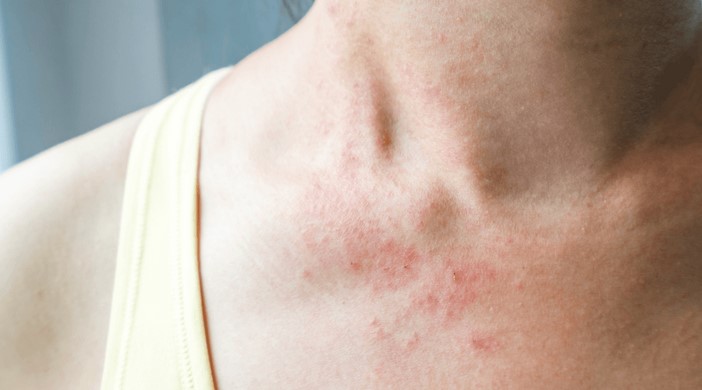
Eczema, also known as atopic dermatitis, is a common and chronic skin condition that causes inflammation, redness, and intense itching. It can occur at any age but is most prevalent in children. While eczema may not be curable, dealing with eczema flare-ups is possible with the right strategies and treatments. Flare-ups can be triggered by a variety of factors, including allergens, irritants, stress, or changes in temperature. Understanding how to effectively manage eczema flare-ups is crucial for minimizing discomfort and preventing long-term skin damage. In this article, we’ll explore practical steps and proven methods to alleviate symptoms and manage flare-ups effectively.
1. Identify and Avoid Triggers
The first step in managing eczema flare-ups is identifying and avoiding the triggers that worsen the condition. Eczema is highly individual, and what triggers a flare-up in one person may not affect someone else. However, some common triggers include environmental factors, certain foods, and lifestyle habits.
Common Triggers for Eczema
- Allergens: Pollen, dust mites, pet dander, and mold are common environmental allergens that can cause eczema to flare up. These allergens often lead to increased inflammation and itching.
- Irritants: Harsh soaps, detergents, fabric softeners, or even clothing made from rough materials like wool can irritate the skin and worsen eczema. It’s important to choose skin-friendly, fragrance-free products that are gentle on the skin.
- Climate and Temperature Changes: Extreme cold or hot weather can make eczema symptoms worse. Dry air in winter can strip the skin of moisture, while heat and sweating in summer can trigger itching and inflammation.
- Stress: Emotional stress is another common trigger for eczema flare-ups. High levels of stress can weaken the immune system, leading to more intense skin reactions.
- Food Sensitivities: Certain foods, such as dairy, nuts, eggs, or gluten, may exacerbate eczema symptoms in some individuals. Keeping a food diary and working with a healthcare provider or dietitian to identify food triggers can be helpful.
Once you have identified your triggers, the key to dealing with eczema flare-ups is to take steps to avoid them. This may involve making changes in your environment, skincare routine, diet, or stress management practices.
2. Establish a Soothing Skincare Routine
Keeping your skin moisturized and protected is one of the most effective ways to manage eczema flare-ups. Dry, cracked skin is more prone to irritation and infection, so maintaining proper hydration is essential. Here’s how to build a soothing skincare routine:
Moisturizing Frequently
The foundation of any eczema skincare routine is regular moisturizing. Moisturizers help lock in moisture, repair the skin barrier, and reduce dryness, which can trigger flare-ups. Use a thick, fragrance-free ointment or cream, such as petroleum jelly, shea butter, or a steroid-free eczema cream. Apply these products immediately after bathing or showering while your skin is still damp to lock in hydration.
Opt for products that are specifically formulated for sensitive skin or eczema. Look for ingredients like ceramides, which help restore the skin barrier, and hyaluronic acid, which draws moisture into the skin.
Gentle Cleansing
When cleansing your skin, it’s important to avoid harsh soaps that can strip your skin of its natural oils. Use a mild, soap-free cleanser that is designed for sensitive skin. Look for products that are free from fragrances, parabens, and alcohol, as these ingredients can irritate the skin and trigger flare-ups. Avoid hot water, as it can further dry out the skin. Instead, use lukewarm water and limit the length of your showers or baths to 10-15 minutes.
After cleansing, be sure to pat your skin dry with a soft towel rather than rubbing it. This helps avoid further irritation.
Topical Treatments
For active flare-ups, topical treatments can help manage symptoms and reduce inflammation. Over-the-counter corticosteroid creams are often used to calm flare-ups and reduce redness and itching. For more persistent or severe flare-ups, a healthcare provider may prescribe stronger topical steroids or other medications, such as calcineurin inhibitors (tacrolimus or pimecrolimus), which help reduce inflammation without the side effects of steroids.
Additionally, non-prescription options like colloidal oatmeal baths, aloe vera gel, and calendula creams can provide soothing relief for irritated skin.
3. Maintain a Healthy Lifestyle
Your lifestyle plays a significant role in managing eczema flare-ups. Adopting healthy habits can not only support your skin health but also help you cope with stress and avoid triggering flare-ups.
Manage Stress
Since stress is a known trigger for eczema flare-ups, finding ways to manage stress is crucial. Techniques such as yoga, meditation, deep breathing exercises, and mindfulness can all help reduce stress levels. Regular physical activity, like walking, swimming, or biking, can also improve mood and overall health, contributing to fewer flare-ups.
Stay Hydrated
Proper hydration is key for maintaining skin health. Dehydrated skin is more prone to irritation, so drink plenty of water throughout the day. Herbal teas, such as chamomile or green tea, may also help calm the skin and reduce inflammation. Avoid caffeinated beverages, as they can dehydrate the body.
Consider Probiotics
There is some evidence to suggest that probiotics, which promote a healthy balance of gut bacteria, may be beneficial for people with eczema. Probiotics can help boost the immune system, improve skin hydration, and reduce inflammation. Foods like yogurt, kefir, sauerkraut, and kimchi are rich in probiotics, or you can take probiotic supplements after consulting with your doctor.
Dietary Modifications
For some individuals, certain foods can trigger eczema flare-ups. Common culprits include dairy, eggs, soy, wheat, and peanuts. An elimination diet, under the guidance of a healthcare professional, can help identify food triggers. Additionally, foods rich in omega-3 fatty acids, such as fatty fish, flaxseeds, and walnuts, can help reduce inflammation and improve skin health.
Dealing with eczema flare-ups requires a comprehensive approach that includes identifying triggers, creating a soothing skincare routine, and adopting healthy lifestyle habits. By paying attention to your skin’s needs and avoiding potential irritants, you can significantly reduce the frequency and severity of flare-ups. Managing stress, staying hydrated, and maintaining a balanced diet can also go a long way in supporting skin health and reducing inflammation. Remember, dealing with eczema flare-ups is a continual process that involves proactive care, patience, and lifestyle adjustments. With the right strategies in place, you can keep eczema under control and enjoy clearer, more comfortable skin.