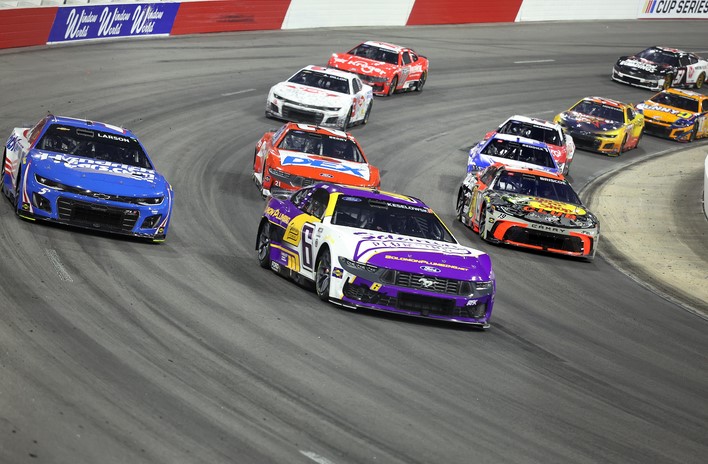
In the world of motorsports, few series are as well-known and as thrilling as NASCAR. Known for its high-speed action and intense competition, NASCAR has evolved significantly over the decades, particularly in its regulations and performance standards. One of the key elements of this evolution is the management of NASCAR horsepower limits, which directly impacts car performance and overall race outcomes. These limits play a crucial role in ensuring that the racing remains balanced, fair, and exciting, while also promoting safety on the track. In this article, we’ll take a closer look at what NASCAR horsepower limits are, how they affect racing, and why they are such an essential part of the series’ regulations.
The Role of Horsepower in NASCAR Racing
Horsepower is one of the most important performance metrics in any racing series, and NASCAR is no exception. It refers to the engine’s ability to perform work, specifically the amount of power the engine can produce to propel the car forward. In a sport where fractions of a second can determine a race’s outcome, having the right amount of horsepower is crucial. However, NASCAR imposes specific limits on the horsepower of the vehicles to create a more competitive and fair environment for all teams, regardless of their budget, resources, or car manufacturers.
NASCAR horsepower limits are part of a broader set of regulations designed to maintain competitive balance and ensure that no single team or manufacturer can dominate by simply producing the most powerful car. These limits ensure that the racing remains close, skill-based, and exciting for fans. While there have been adjustments over the years to account for advancements in technology and safety, the regulation of horsepower has remained one of the key pillars of NASCAR’s technical framework.
The History and Evolution of NASCAR Horsepower Limits
The regulation of horsepower in NASCAR is not a new concept. Over the decades, NASCAR has continuously adjusted the horsepower limits to respond to changes in technology, safety, and the competitive landscape.
1. The Early Years: Power Without Restrictions
In the early years of NASCAR, particularly in the 1950s and 1960s, there were fewer restrictions on engine performance, and cars were often powered by high-output engines. Drivers were able to push their machines to their limits, and races were often dominated by cars with immense horsepower. However, this led to a situation where power alone became the key determinant of success, and this imbalance began to raise concerns about safety and fairness.
2. Introduction of Horsepower Limits (1970s)
In the 1970s, NASCAR introduced its first official horsepower limits. The intent was to curb the trend of excessive engine power and create a more even playing field. The 1970s saw the introduction of specific engine rules that restricted the cubic inch displacement (CID) of engines, limiting the potential for teams to build excessively powerful engines. This marked the beginning of a new era where technology and engineering prowess would need to be balanced with strategic racecraft to win.
3. Modern-Day Regulations
Today, NASCAR horsepower limits are controlled through a combination of engine regulations, including air intake size, fuel regulations, and the use of restrictor plates or tapered spacers. While the specific horsepower figures may fluctuate from year to year, NASCAR teams typically operate within a range of around 550 to 750 horsepower, depending on the type of track (superspeedways, short tracks, road courses) and race conditions.
The use of restrictor plates is particularly prominent at superspeedways like Daytona and Talladega, where the immense speeds could otherwise make racing too dangerous. These plates limit the amount of air entering the engine, thus reducing horsepower and controlling the speed at which cars can go.
How NASCAR Horsepower Limits Affect Racing
The imposition of NASCAR horsepower limits impacts nearly every aspect of the racing, from the strategies used by drivers to the design and engineering of the cars. Let’s examine how these limits shape the racing experience:
1. Balancing Competition
One of the primary reasons NASCAR imposes horsepower limits is to level the playing field. Without limits, teams with larger budgets and more advanced technology could easily outpace their competitors, leading to predictable race results. By placing limits on horsepower, NASCAR ensures that a driver’s skill, pit crew strategy, and team coordination are just as important as raw power. This creates more thrilling races, where the outcome is often determined by the decisions made during the race, rather than simply the car’s performance capabilities.
2. Safety Considerations
High speeds inevitably increase the risks involved in racing. NASCAR’s decision to regulate horsepower is closely tied to its commitment to driver safety. At superspeedways, where cars can reach speeds exceeding 200 mph, the potential for dangerous crashes is significant. By limiting horsepower, NASCAR ensures that cars stay within a safer speed range, making the sport more manageable and reducing the risk of catastrophic accidents. This is particularly crucial in high-speed tracks like Daytona, where the combination of horsepower and speed can make racing more volatile.
3. Engine Technology and Innovation
While horsepower is limited, NASCAR also fosters innovation through engineering and technology. The horsepower limits push teams to be more creative in how they extract performance from the engine without breaching the regulations. Teams must find ways to optimize aerodynamics, reduce drag, and improve fuel efficiency, all while staying within the confines of the horsepower regulations. This balancing act leads to a more technically refined and competitive sport, with cars becoming faster and more reliable while staying within the allowed performance limits.
4. Impact on Race Strategy
The horsepower limits also impact race strategy, especially when it comes to fuel consumption and tire wear. With limited horsepower, teams can’t rely solely on raw speed to gain an advantage. Instead, race strategy becomes even more important. Drivers must manage their engines effectively, make precise pit stops, and adapt to changing track conditions. The ability to maintain consistent speed and avoid unnecessary tire degradation often separates the winners from the rest of the field.
The Future of NASCAR Horsepower Limits
As technology continues to evolve, NASCAR’s approach to horsepower limits will likely continue to adapt. With the increasing focus on sustainability and the possible future adoption of hybrid or electric technology, NASCAR may face new challenges in balancing performance with environmental concerns. It is likely that horsepower limits will evolve further in response to these changes, but the core principles of maintaining competition and ensuring safety will remain central to the regulation of engines.
In conclusion, the NASCAR horsepower limits are a fundamental part of what makes NASCAR racing so exciting, competitive, and, most importantly, safe. These limits ensure that races are not determined solely by the most powerful engine but by a combination of driver skill, teamwork, and race strategy. By regulating horsepower, NASCAR maintains the balance between innovation and competition, making sure that every team has a fair chance at victory. As the sport evolves, it is clear that horsepower regulations will continue to play a critical role in shaping the future of racing, ensuring that NASCAR remains one of the most thrilling and dynamic motorsports in the world.