As the temperatures rise during the summer months, keeping your home cool and comfortable can become a challenge. Air conditioning is often the go-to solution, but it can be costly, energy-intensive, and less effective if your home isn’t properly ventilated. One simple yet highly effective solution to combat heat buildup in your home is installing energy-efficient attic fans. These fans work by drawing hot air out of your attic and replacing it with cooler air from outside, helping to regulate the temperature in your home and reduce reliance on your air conditioning system. In this article, we will explore the benefits of energy-efficient attic fans, how they work, and how to choose the right fan for your home to maximize energy savings.
How Energy-Efficient Attic Fans Work
Attics are often one of the hottest areas in a home, especially during the summer months. When heat from the sun enters through the roof, it can create a stifling environment that radiates heat into your living spaces below. Without proper ventilation, this trapped heat can raise the overall temperature of your home, forcing your air conditioning system to work harder to cool your living areas.
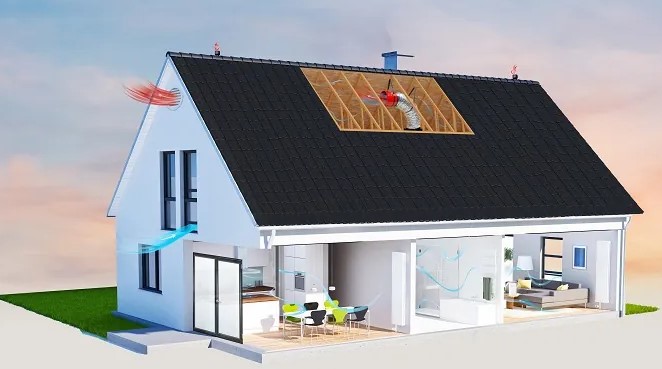
Energy-efficient attic fans help to prevent this issue by providing an effective way to ventilate your attic. These fans are installed in the attic space and are designed to pull hot air out of the attic and release it outside. As the hot air is expelled, cooler air from outside is drawn in through vents, creating a natural airflow that helps to cool down your home. The result is a more comfortable living environment and less strain on your air conditioning system, leading to potential energy savings.
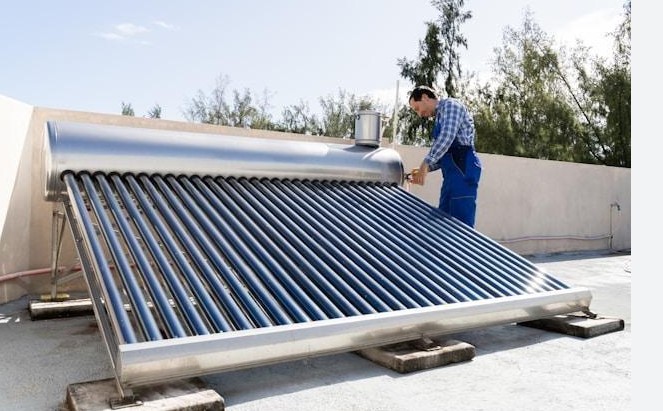
There are two primary types of energy-efficient attic fans: solar-powered and electrically powered. Solar-powered fans operate using energy from the sun, making them completely independent of your home’s electrical system, while electrically powered fans rely on your home’s power supply to operate. Both types offer their own advantages, but the core principle remains the same: they help to reduce heat buildup in the attic, leading to a cooler home and lower energy costs.
The Benefits of Installing Energy-Efficient Attic Fans
Installing an energy-efficient attic fan offers a wide range of benefits, not just for your comfort but also for your home’s overall energy efficiency. Let’s take a closer look at some of the key advantages:
1. Reduced Cooling Costs
One of the most significant benefits of energy-efficient attic fans is the reduction in cooling costs. When your attic gets too hot, the heat can transfer down into your living spaces, causing your air conditioning unit to work overtime. By venting the hot air from the attic, these fans help keep the overall temperature in your home lower, meaning your air conditioner doesn’t need to run as often. This can result in noticeable savings on your monthly energy bills, especially during the hottest months of the year.
2. Improved Home Comfort
An overheated attic can lead to uncomfortable living conditions, as the trapped heat can make rooms feel warmer than necessary. By removing this heat, energy-efficient attic fans help maintain a more consistent and comfortable indoor temperature throughout your home. This is especially important if you have rooms directly under the attic, which can often feel stifling in the summer. Installing an attic fan helps to create a more pleasant living environment by keeping your home cooler and more comfortable.
3. Extended Lifespan of Your Roof and HVAC System
Excessive heat buildup in the attic can have a damaging effect on your roof and insulation. Over time, this heat can degrade the materials, leading to the need for costly repairs or even a full roof replacement. Additionally, the increased workload on your air conditioning system due to excessive heat can reduce its lifespan, requiring more frequent maintenance or even premature replacement. By installing an energy-efficient attic fan, you reduce heat buildup, helping to protect your roof and HVAC system and extend their lifespan.
4. Environmental Impact
Solar-powered attic fans, in particular, offer an environmentally friendly solution to cooling your home. Because they rely on renewable solar energy, these fans don’t consume electricity from the grid, reducing your carbon footprint and your reliance on fossil fuels. Even electrically powered fans are more efficient than using air conditioning to cool down the attic and living spaces, making them a more sustainable choice. By reducing your energy consumption, you’re not only saving money but also doing your part to help the environment.
5. Better Air Quality
Proper attic ventilation helps maintain the overall air quality in your home. When an attic is not properly ventilated, it can lead to moisture buildup, which can contribute to the growth of mold and mildew. By expelling hot, humid air from the attic, energy-efficient attic fans help prevent moisture buildup and reduce the risk of mold growth. This is especially beneficial for the health and safety of your family, as mold spores can negatively impact indoor air quality and trigger respiratory issues.
Choosing the Right Energy-Efficient Attic Fan
When selecting an energy-efficient attic fan for your home, there are several factors to consider to ensure that you choose the best option for your needs. Here are some key factors to keep in mind:
1. Fan Size and CFM Rating
The size of the attic fan you choose will depend on the size of your attic and the level of ventilation needed. The fan’s CFM (cubic feet per minute) rating indicates how much air the fan can move per minute. A higher CFM rating means the fan can move more air, which is ideal for larger attics. As a general rule of thumb, a fan should have a CFM rating of around 1 CFM for every 1.5 square feet of attic space. Be sure to check your attic’s square footage and match it with the appropriate fan size for optimal performance.
2. Solar vs. Electric
As mentioned earlier, you can choose between solar-powered or electrically powered attic fans. Solar-powered fans are energy-efficient because they rely on the sun, and they are especially useful if you live in an area with plenty of sunlight. They are easy to install and operate independently of your home’s electricity system. However, they may not be as effective on cloudy days or in regions with limited sunlight. Electric attic fans, on the other hand, provide consistent performance but will add to your monthly electricity bill.
3. Noise Levels
Noise is another factor to consider when choosing an attic fan. Some fans can be quite noisy, especially when they are operating at high speeds. If you’re concerned about noise, look for a fan designed to operate quietly, such as models with noise-reducing features or those that use more advanced motor technologies.
4. Installation and Maintenance
Consider the installation and maintenance requirements of the fan. While some attic fans are simple to install, others may require professional installation, especially if electrical wiring is involved. Additionally, maintenance is important to ensure that your fan operates efficiently over time. Choose a model that is easy to clean and maintain, with accessible filters and motors.
Energy-efficient attic fans are a smart investment for homeowners looking to keep their homes cool, comfortable, and energy-efficient. Whether you choose a solar-powered or electric model, these fans provide a practical solution to the problem of heat buildup in your attic, improving indoor comfort and reducing the load on your air conditioning system. With benefits ranging from reduced cooling costs to enhanced air quality, installing an energy-efficient attic fan is an effective way to enhance the performance of your home while promoting sustainability. So, if you’re looking for a cost-effective and environmentally friendly way to stay cool, consider adding energy-efficient attic fans to your home.