Cane Back Chair: Restoring and Decorating Vintage Furniture is a comprehensive guide that provides detailed insights into the art of refurbishing and embellishing antique furniture, with a particular focus on cane back chairs. This guide offers a wealth of knowledge on the restoration process, including techniques for repairing damage, removing old finishes, and applying new ones. It also explores creative decorating ideas to enhance the aesthetic appeal of vintage furniture. Whether you’re a seasoned restorer or a beginner in furniture restoration, this guide provides valuable information to help you breathe new life into your vintage cane back chairs and other antique furniture pieces.
The Ultimate Guide to Restoring and Decorating Your Vintage Cane Back Chair
The cane back chair, a timeless piece of furniture, has been a staple in homes for centuries. Its elegant design and intricate detailing make it a sought-after piece for vintage furniture enthusiasts. However, like any other vintage item, cane back chairs often require restoration and decoration to bring them back to their former glory. This article will serve as your ultimate guide to restoring and decorating your vintage cane back chair.
Restoring a cane back chair is a meticulous process that requires patience and precision. The first step in the restoration process is to assess the condition of the chair. Look for signs of wear and tear, such as loose caning, broken strands, or faded finish. If the chair’s structure is sound but the caning is damaged, you may only need to replace the caning. However, if the chair’s frame is also damaged, you may need to repair or replace parts of the frame as well.
Once you’ve assessed the chair’s condition, you can begin the restoration process. If the caning needs to be replaced, carefully remove the old caning using a chisel or a similar tool. Be sure to work slowly and gently to avoid damaging the chair’s frame. Once the old caning is removed, you can install the new caning. This process involves soaking the cane in water to make it pliable, then weaving it through the holes in the chair’s frame. After the cane is installed, it should be left to dry for at least 48 hours.
If the chair’s frame needs to be repaired, this can be done using wood glue and clamps. If parts of the frame need to be replaced, you may need to hire a professional carpenter or furniture restorer. Once the frame is repaired and the new caning is installed, you can finish the chair by applying a coat of varnish or paint.
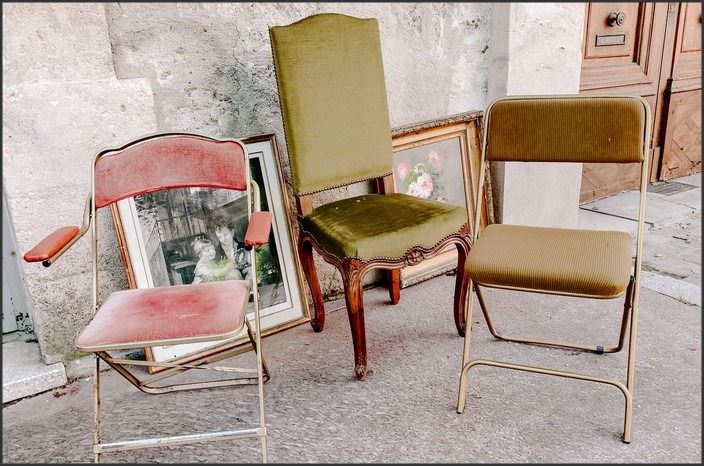
Decorating a cane back chair can be as simple or as elaborate as you like. One popular option is to paint the chair in a bold color to make it a statement piece. Alternatively, you could opt for a more subtle look by staining the chair in a natural wood color. If you want to add a touch of luxury to your chair, consider upholstering the seat in a plush fabric like velvet or silk.
Another way to decorate your cane back chair is by adding decorative elements like cushions or throws. These can be chosen to match your existing decor or to provide a contrast. For a vintage look, consider using floral or paisley prints. For a more modern look, geometric patterns or bold colors work well.
In conclusion, restoring and decorating a vintage cane back chair can be a rewarding project. Not only does it allow you to preserve a piece of history, but it also gives you the opportunity to create a unique piece of furniture that reflects your personal style. Whether you choose to restore your chair to its original condition or to give it a modern twist, the process is sure to be a labor of love.In conclusion, restoring and decorating vintage furniture like a Cane Back Chair can be a rewarding process. It not only helps in preserving the antique value of the piece but also allows for personal creativity in decoration. This process can breathe new life into old furniture, making it a unique and valuable addition to any home decor.