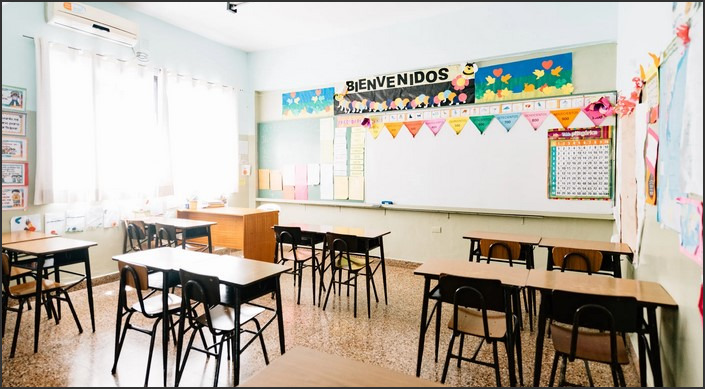
Setting Up Classroom: Tips and Strategies for an Organized and Welcoming Learning Space is a comprehensive guide that provides educators with practical advice on how to create an effective learning environment. This guide covers various aspects of classroom setup, from arranging furniture to creating a welcoming atmosphere. It offers strategies for organizing materials, utilizing space efficiently, and creating areas for different learning activities. The guide also emphasizes the importance of creating a classroom that is inclusive and responsive to students’ needs. It provides tips on how to make the classroom a place where students feel comfortable, motivated, and engaged in learning.
Setting Up Classroom: Tips and Strategies for an Organized and Welcoming Learning Space
Setting up a classroom is a task that requires careful planning and strategic execution. It is not merely about arranging furniture and decorating walls, but rather about creating an environment that fosters learning, encourages interaction, and promotes a sense of belonging. A well-organized and welcoming classroom can significantly enhance the teaching-learning process, making it more effective and enjoyable for both teachers and students.
The first step in setting up a classroom is to consider the physical layout. The arrangement of desks, chairs, and other furniture should facilitate easy movement and interaction. A horseshoe or U-shaped arrangement, for instance, allows the teacher to move around freely and interact with each student individually. It also encourages peer interaction, which is crucial for collaborative learning. However, the layout should be flexible enough to accommodate different teaching methods and learning activities.
Next, the classroom should be organized in a way that supports learning. This involves creating designated areas for different activities. For example, a reading corner with comfortable seating and a variety of books can encourage independent reading. A display area for student work can boost their confidence and motivation. A resource area with necessary supplies can promote self-reliance among students.
Moreover, the classroom should be visually appealing and stimulating. The use of color, lighting, and decoration can greatly influence the mood and energy level of the classroom. Warm colors like yellow and orange can stimulate creativity and enthusiasm, while cool colors like blue and green can create a calm and focused atmosphere. Natural light is preferable as it is less straining on the eyes and promotes a positive mood. Decorations should be relevant and meaningful, such as educational posters, student artwork, or a word wall for vocabulary learning.
In addition to the physical environment, the social environment of the classroom is equally important. The classroom should be a safe and welcoming space where every student feels valued and included. This can be achieved by establishing clear rules and expectations, promoting respect and empathy, and celebrating diversity. Teachers can also foster a sense of community by involving students in decision-making processes, such as setting classroom rules or planning activities.
Furthermore, effective classroom management strategies are essential for maintaining an organized and conducive learning environment. This includes procedures for routine tasks like attendance taking, handing out materials, and transitioning between activities. Consistent routines can help students understand what is expected of them and reduce disruptions.
Lastly, it is important to remember that setting up a classroom is an ongoing process. The classroom should evolve with the needs and interests of the students. Regular feedback from students can provide valuable insights for improving the classroom environment.
In conclusion, setting up a classroom involves careful planning and thoughtful execution. It requires a balance of physical organization, visual appeal, social inclusivity, and effective management. A well-set classroom not only enhances the teaching-learning process but also contributes to the overall development of students. Therefore, it is a task that deserves the utmost attention and effort from every educator.In conclusion, setting up a classroom requires careful planning and strategic organization to create a welcoming and conducive learning space. The use of various tips and strategies such as arranging desks in a functional layout, creating designated areas for specific activities, utilizing wall spaces for educational displays, and maintaining a clean and clutter-free environment can significantly enhance students’ learning experiences. Furthermore, personal touches and student involvement in the setup process can foster a sense of ownership and community within the classroom.