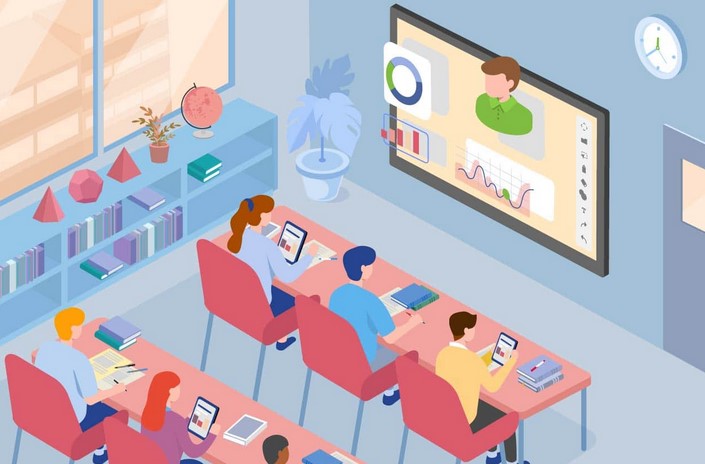
The classroom of tomorrow is an exciting space where education transcends traditional boundaries. As technology continues to advance, educators and designers are working together to create the future classroom, a dynamic environment that fosters creativity, collaboration, and personalized learning. This transformation is not just about adopting new gadgets or teaching tools; it’s about reimagining how students learn, interact, and engage with the world around them. In this article, we’ll explore the key innovations shaping the future classroom, from technology-driven learning tools to flexible, student-centric environments.
The Changing Landscape of Education
1.1 The Need for Adaptability and Flexibility
As society becomes more interconnected and information changes at an unprecedented rate, the need for educational spaces that can adapt to new learning paradigms is more critical than ever. The traditional classroom—one where a teacher stands at the front, lecturing while students sit in rows—is slowly giving way to more flexible, interactive spaces that promote student agency and collaborative learning. The future classroom is designed to accommodate diverse learning styles, provide access to technology, and support both in-person and online learning experiences.
In the past, the focus was primarily on delivering a standardized curriculum to a group of students. However, as we move towards more individualized learning experiences, classrooms are evolving into spaces that cater to each student’s pace, strengths, and preferences. A future classroom will be built on the idea of adaptability—where students have the tools they need to take control of their learning journey, teachers can personalize instruction, and technology can serve as a seamless bridge between resources, ideas, and concepts.
1.2 Technology Integration: The Backbone of Future Classrooms
In the future classroom, technology is not just a supplement to the learning experience; it is the foundation upon which much of the educational framework will be built. Digital platforms, online resources, and interactive technologies are already playing a crucial role in how students learn, and the future promises even more sophisticated tools to enhance that experience.
Virtual Reality (VR) and Augmented Reality (AR) are two key technologies that are beginning to find their place in the future classroom. These technologies can bring abstract concepts to life, whether it’s walking through a historical event, exploring the solar system, or conducting science experiments that would otherwise be impossible to replicate in a traditional classroom setting. VR and AR offer students an immersive, hands-on learning experience that not only enhances understanding but also increases engagement.
Additionally, Artificial Intelligence (AI) will play a vital role in the future classroom. AI-powered educational tools will be able to assess students’ strengths and weaknesses in real-time, tailoring lessons to meet their individual needs. This kind of personalized learning will allow students to work at their own pace, whether they need more time on certain topics or are ready for more advanced material. AI can also assist teachers by automating administrative tasks, allowing them to focus more on instruction and student interaction.
Key Features of the Future Classroom
2.1 Flexible, Collaborative Spaces
The physical layout of the future classroom will differ significantly from today’s traditional designs. Instead of rows of desks all facing the front, future classrooms will feature flexible seating arrangements that promote collaboration and interaction. Desks and tables will be modular, allowing students to reconfigure the room to suit different group sizes and types of activities.
In a future classroom, the emphasis will be on collaboration. Group work will become more common, as students work together to solve problems, complete projects, or engage in discussions. Teachers will serve more as facilitators of learning, guiding students as they work together and apply critical thinking to real-world problems. To support this kind of collaborative learning, classrooms will be equipped with digital whiteboards, tablets, and interactive projectors to enhance communication and idea-sharing among students.
In addition, classrooms will be designed with different “zones” to support various activities. For example, there might be a quiet reading zone for independent study, a group discussion area for collaborative work, and a tech corner where students can experiment with virtual tools and digital simulations. This flexibility allows teachers to create a learning environment that meets the needs of different types of activities and learning styles.
2.2 Personalized Learning Through Data and Analytics
One of the most exciting possibilities for the future classroom is the ability to create personalized learning experiences based on real-time data. With the help of data analytics, teachers will be able to track each student’s progress and identify areas where they may be struggling. This data can then be used to tailor lessons, provide additional resources, or offer extra support to help the student succeed.
In a future classroom, students will also have access to data that helps them track their own learning progress. By using educational apps and platforms that provide feedback and assessments, students will be able to understand where they excel and where they need to focus more effort. This kind of self-assessment fosters ownership of learning and encourages students to take an active role in their educational journey.
2.3 Hybrid and Remote Learning Capabilities
As the world has seen in recent years, remote learning has become an essential part of education. The future classroom will be equipped to support hybrid learning models, where students can participate in class both in-person and virtually. Whether due to health concerns, geographical constraints, or personal preference, students will have the option to attend class from anywhere, ensuring that learning is never disrupted.
With video conferencing tools, digital collaboration platforms, and cloud-based resources, the future classroom will allow seamless integration of remote and in-person learning. Teachers will be able to engage students in real-time, regardless of location, while students will have the flexibility to access learning materials and participate in discussions from home or on the go. This hybrid approach will also make education more accessible to students who may not have been able to attend traditional classes due to physical limitations or logistical challenges.
The Role of Teachers in the Future Classroom
3.1 The Shift from Traditional Teaching to Facilitator Roles
The future classroom will see a significant shift in the role of the teacher. Rather than acting as the primary source of information, teachers will become facilitators of learning. They will guide students through projects, help them develop problem-solving skills, and encourage critical thinking. Teachers will need to embrace new technologies and teaching methods, using their expertise to integrate digital tools into their lessons and create more interactive, student-centered experiences.
In a classroom where students are often working independently or in small groups, teachers will play a key role in providing targeted support. They will have more time to focus on individual students, offering personalized feedback and encouragement. By using data and technology, teachers will be able to identify each student’s unique needs and tailor their teaching approach accordingly.
3.2 Fostering a Growth Mindset in Students
Another important role teachers will play in the future classroom is fostering a growth mindset. This means encouraging students to view challenges as opportunities for growth rather than obstacles. With technology and personalized learning tools, teachers will have the means to provide immediate feedback and help students overcome difficulties in real-time. This will contribute to creating a positive and resilient learning environment, where students are motivated to take risks, learn from mistakes, and continually improve.
The future classroom is poised to revolutionize the way we think about education. With the integration of new technologies, flexible learning environments, and a greater emphasis on personalized learning, the classroom of tomorrow will be a place where students have the tools, resources, and support they need to succeed. The role of the teacher will evolve to focus more on facilitating learning and guiding students, while technology will play a central role in enhancing the educational experience. As we design the future classroom, it is crucial to consider how these innovations can work together to create an inclusive, engaging, and adaptive space where all students can thrive.