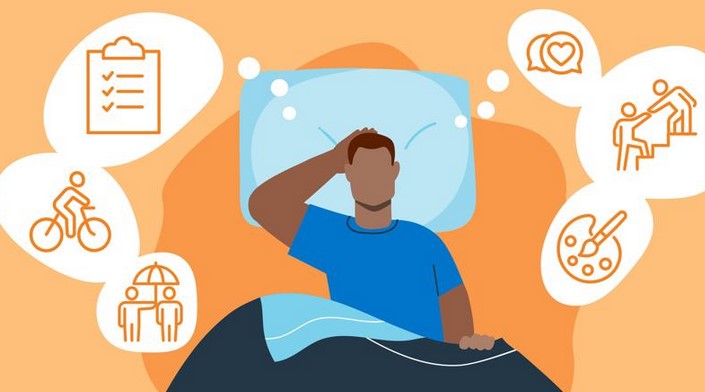
In today’s fast-paced world, workplace stress management has become a crucial skill for maintaining both mental and physical health. The modern work environment, with its constant demands, tight deadlines, and expectations, often leaves individuals feeling overwhelmed. Stress can not only impair work performance but also have detrimental effects on personal health, leading to issues such as burnout, anxiety, and depression. In this article, we will explore effective strategies for managing workplace stress and creating a healthier work-life balance, ultimately improving both productivity and overall well-being.
Understanding Workplace Stress
Workplace stress refers to the physical, emotional, and mental strain that employees experience due to the demands of their job. It is an inevitable part of professional life but becomes a problem when the stress levels surpass one’s ability to cope. Factors that contribute to workplace stress include:
- Heavy workloads: Being overwhelmed by tasks, unrealistic deadlines, or the volume of responsibilities can lead to chronic stress.
- Lack of control: Not having enough autonomy in decision-making can make employees feel powerless and stressed.
- Poor management or leadership: Micromanagement, unclear expectations, and lack of support can elevate stress levels.
- Workplace culture: A toxic work environment with poor communication, office politics, and lack of team collaboration can contribute to stress.
- Job insecurity: Fear of losing one’s job or not meeting performance expectations can cause high levels of anxiety.
While stress is natural, if it is not managed properly, it can lead to serious health issues, decreased job satisfaction, and reduced productivity. As a result, workplace stress management has become a necessary focus for both employers and employees.
The Consequences of Untreated Stress
If left unchecked, stress in the workplace can have significant effects on both the individual and the organization. Some common consequences of chronic workplace stress include:
- Physical Health Issues: Stress can cause various health problems, such as headaches, high blood pressure, digestive issues, and sleep disturbances. Over time, chronic stress can contribute to heart disease, obesity, and other serious conditions.
- Mental Health Concerns: Workplace stress is a major contributor to mental health issues, including anxiety, depression, and burnout. Employees may feel emotionally drained, which can negatively impact their relationships, both at work and at home.
- Decreased Productivity and Motivation: Stress can impair concentration, decision-making, and problem-solving abilities. Employees may experience difficulty prioritizing tasks, which leads to reduced efficiency and work quality. A disengaged or stressed employee may also be less motivated, ultimately affecting overall performance.
- Higher Turnover Rates: Persistent workplace stress can contribute to employee dissatisfaction, which may lead to higher turnover rates. This not only increases recruitment costs but also reduces overall morale within the company.
Tools for Effective Workplace Stress Management
To effectively manage workplace stress, both individuals and organizations need to adopt proactive strategies. Here are some practical tools and techniques that can help alleviate stress and create a healthier work-life balance.
1. Prioritize and Organize Tasks
A disorganized workday can increase stress and contribute to feeling overwhelmed. Prioritizing tasks based on urgency and importance helps break down larger projects into manageable steps. Time management techniques such as the Eisenhower Matrix, the Pomodoro Technique, or simply creating a daily to-do list can ensure that tasks are completed efficiently.
- Tip: Use tools like digital planners, calendars, or apps to stay organized and keep track of deadlines.
2. Set Boundaries Between Work and Personal Life
One of the key aspects of workplace stress management is establishing clear boundaries between professional and personal time. This is particularly challenging for remote workers or those with flexible work hours. It is crucial to separate work-related tasks from personal time to avoid burnout and ensure quality family and relaxation time.
- Tip: Set a specific end time for work each day, and communicate your availability to colleagues and supervisors. Avoid checking emails or working on projects during personal time.
3. Practice Mindfulness and Stress-Relief Techniques
Mindfulness practices such as meditation, deep breathing exercises, and yoga can help employees manage workplace stress effectively. These practices allow individuals to focus on the present moment and regain control over their thoughts and emotions. Regular mindfulness sessions can reduce anxiety, improve focus, and help maintain emotional balance.
- Tip: Take short breaks throughout the day for mindfulness exercises. Apps like Headspace or Calm can guide you through brief meditation sessions.
4. Maintain Physical Health
Exercise plays a significant role in reducing stress by releasing endorphins, which improve mood and reduce anxiety. Regular physical activity helps combat the negative physical effects of stress, such as fatigue and muscle tension. Additionally, a healthy diet and adequate sleep are essential in managing stress.
- Tip: Incorporate regular exercise into your routine, whether it’s a brisk walk, cycling, or yoga. Make sure to also stay hydrated and eat nutritious foods to fuel your body.
5. Foster Strong Social Connections at Work
Having a supportive work environment with strong social connections can significantly reduce workplace stress. Regular communication, collaboration, and feedback from colleagues and supervisors provide a sense of community and emotional support. Knowing that others are available to offer assistance can ease the burden of stress.
- Tip: Foster relationships with your co-workers by attending team meetings, participating in social events, or simply taking time to chat with colleagues. A positive and inclusive workplace culture can help reduce stress levels.
6. Seek Professional Support
If stress becomes overwhelming, it may be helpful to seek guidance from a mental health professional, such as a therapist or counselor. Many organizations now offer employee assistance programs (EAPs) that provide access to confidential counseling and support services. Talking to someone who specializes in stress management can help develop effective coping strategies and offer a fresh perspective.
- Tip: If you’re struggling with stress at work, don’t hesitate to reach out for professional support. Many therapists offer virtual sessions, making it easier to access help from home.
Organizational Strategies for Reducing Workplace Stress
In addition to individual efforts, organizations play a critical role in workplace stress management. Employers can take several actions to reduce stress and create a healthier work environment:
- Promote Work-Life Balance: Encourage flexible work hours or remote work opportunities where possible. Ensure that employees have the freedom to take time off when needed and are not overburdened with excessive workloads.
- Provide Training and Resources: Offer workshops on stress management techniques, time management, and emotional well-being. Provide access to resources such as wellness programs or fitness memberships to support employees’ physical and mental health.
- Recognize Employee Achievements: Regularly acknowledge and appreciate employees’ contributions. Recognition can boost morale and reduce feelings of stress and undervaluation.
- Create a Positive Work Environment: Foster open communication and encourage a supportive, collaborative workplace culture. A positive atmosphere can significantly reduce workplace stress and improve overall productivity.
In conclusion, workplace stress management is not just the responsibility of employees but also of employers. By utilizing effective tools such as time management, mindfulness, physical health practices, and fostering a supportive work culture, individuals and organizations can greatly reduce the negative effects of stress. Creating a balance between work and personal life, along with developing healthy coping strategies, ensures that employees can remain engaged, productive, and mentally healthy in the long term. Ultimately, managing workplace stress is crucial not only for individual well-being but also for organizational success.