In today’s world of rising energy costs and growing concerns about sustainability, finding ways to conserve energy in our homes has become more important than ever. One area that often gets overlooked is the water heating system. Energy-efficient water heaters not only help reduce energy consumption but also contribute to significant savings on monthly utility bills. This article will explore how these innovative systems work, their benefits, and why making the switch to energy-efficient water heaters is a smart move for both the environment and your wallet.
Understanding Energy-Efficient Water Heaters
Before delving into the specific benefits of energy-efficient water heaters, it is important to understand what makes them different from traditional water heating systems. A water heater typically works by heating a large tank of water, which is then stored and used as needed. The traditional models often rely on older technology, like gas or electric resistance heating elements, which are inefficient and wasteful. In contrast, energy-efficient water heaters utilize modern, advanced technologies to minimize energy usage.
The primary goal of an energy-efficient water heater is to provide hot water in the most efficient way possible. This is accomplished through various features and mechanisms such as improved insulation, advanced heating elements, and optimized tank designs that reduce heat loss. Some models even employ smart technology, enabling homeowners to control the system remotely and ensure it operates only when needed.
Types of Energy-Efficient Water Heaters
There are several types of energy-efficient water heaters on the market today. Understanding these options can help homeowners choose the most suitable one for their specific needs.
1. Tankless Water Heaters
Tankless water heaters, also known as on-demand or instant water heaters, are among the most energy-efficient options available. Unlike traditional water heaters that store hot water in a tank, tankless models heat water only when it is needed. This eliminates the standby heat loss associated with keeping a tank of water hot all day long. As a result, homeowners can expect to save a substantial amount of energy, especially in households with lower hot water demand.
Tankless water heaters can be powered by either electricity or gas, and their efficiency ratings are generally higher than that of conventional storage water heaters. While tankless systems may require a higher initial investment, the long-term energy savings make them an excellent choice for many households.
2. Heat Pump Water Heaters
Heat pump water heaters (HPWH) work by transferring heat from the air or ground into the water, rather than directly heating the water with electricity or gas. This method is more energy-efficient because it requires less energy to transfer heat than to generate it from scratch. In fact, a heat pump water heater can be up to three times more efficient than conventional electric models.
One of the advantages of HPWHs is that they work best in moderate to warm climates, where the surrounding air provides a reliable heat source. Some models even have dual modes, allowing them to work as a conventional water heater during colder months. Although heat pump water heaters may have a higher upfront cost compared to standard electric models, their energy savings and environmental benefits often outweigh the initial investment.
3. Solar Water Heaters
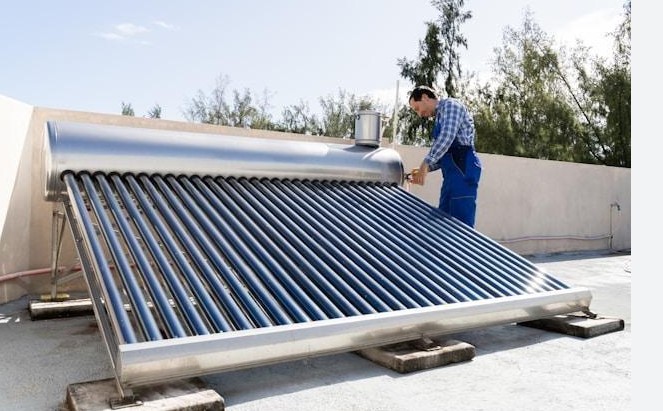
Solar water heaters are another highly efficient option for homeowners looking to reduce their energy consumption. These systems harness the power of the sun to heat water, which is then stored in a tank for later use. The key advantage of solar water heaters is that they rely on renewable, free solar energy, reducing both the need for conventional energy sources and your household’s overall carbon footprint.
While solar water heaters can be expensive to install initially, they often pay for themselves in the long run, especially in sunny regions where sunlight is abundant. Additionally, various tax incentives and rebates are available in some areas, further lowering the cost of installation.
4. Condensing Water Heaters
Condensing water heaters are a variation of traditional gas-powered models that are designed to be more efficient. These systems capture and reuse the heat that is typically lost through exhaust gases in conventional systems. By using a second heat exchanger to extract additional heat from the flue gases, condensing water heaters can achieve efficiencies of over 90%, which is much higher than conventional models.
Condensing water heaters are available in both tank and tankless versions, providing flexibility in terms of installation and performance. These units are an excellent choice for households with higher hot water demand, as they can meet the needs of large families without compromising energy efficiency.
Benefits of Energy-Efficient Water Heaters
Investing in an energy-efficient water heater offers several key benefits for homeowners. Let’s take a closer look at some of these advantages:
1. Lower Utility Bills
The most immediate and tangible benefit of energy-efficient water heaters is the reduction in monthly utility bills. Traditional water heaters can account for a significant portion of your home’s energy usage, particularly if the unit is old or inefficient. Energy-efficient models use advanced technologies that heat water more efficiently, reducing energy consumption and, as a result, lowering your utility costs.
2. Environmental Impact
Energy-efficient water heaters are not just good for your wallet; they are also beneficial for the environment. By using less energy, these systems help reduce greenhouse gas emissions and your overall carbon footprint. If you are looking for a way to make your home more sustainable and eco-friendly, upgrading to an energy-efficient water heater is a simple yet effective solution.
3. Improved Comfort and Convenience
Many modern energy-efficient water heaters come with smart features that offer enhanced control and convenience. For example, some models allow homeowners to set schedules for when hot water is heated, ensuring it is available exactly when needed. Others have Wi-Fi connectivity, enabling remote monitoring and adjustments via smartphone apps. This level of convenience adds comfort and peace of mind for busy households.
4. Long-Term Durability
Energy-efficient water heaters tend to last longer than their conventional counterparts. This is because they are typically built with higher-quality components and feature designs that reduce wear and tear. For example, tankless water heaters don’t experience the same corrosion issues as traditional tanks, while heat pump water heaters often include self-regulating mechanisms that extend their lifespan. Although the upfront cost may be higher, the long-term savings in both energy and maintenance make them a smart investment.
Energy-efficient water heaters are a practical and sustainable choice for homeowners looking to reduce their energy consumption and lower their utility bills. Whether you opt for a tankless, heat pump, solar, or condensing model, each type offers unique benefits that make it an attractive option for modern households. By upgrading to an energy-efficient water heater, you can enjoy long-term savings, enhanced comfort, and a smaller environmental footprint. So, when it comes time to replace your water heater, consider choosing an energy-efficient model to maximize both your savings and your home’s eco-friendly potential.