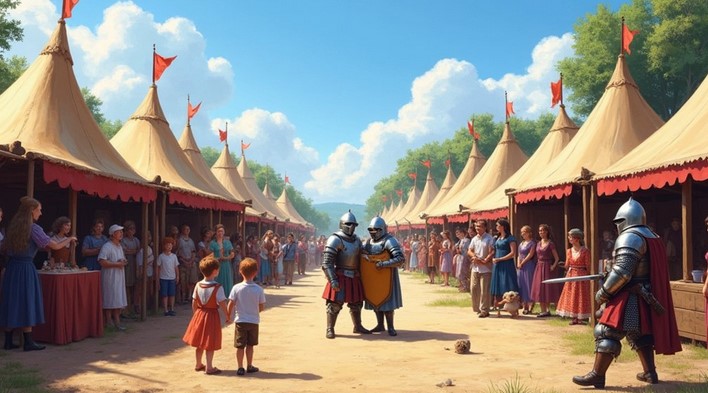
Cultural historical reenactments offer an immersive and dynamic way to step back in time and witness pivotal moments in history. These events provide an authentic, interactive experience where people don costumes, recreate significant battles, and breathe life into centuries-old traditions. Cultural historical reenactments not only help preserve history but also make it accessible, exciting, and educational for modern audiences. Whether it’s a medieval joust in Europe, a Civil War battle in the United States, or an ancient Roman festival, reenactments allow us to engage with history in a deeply personal way, connecting the past with the present. In this article, we explore the appeal of cultural historical reenactments, some of the most notable events around the world, and the benefits they bring to participants and audiences alike.
The Appeal of Cultural Historical Reenactments
Reenactments are more than just theatrical performances. They are living history, where people experience historical events, customs, and traditions firsthand. These reenactments range from large-scale public spectacles to intimate community gatherings, and each serves to bring a specific moment in time to life. For history enthusiasts, cultural historical reenactments offer a unique opportunity to engage with the past beyond textbooks and museums, offering a vivid, tangible connection to the stories that shaped the world.
1. The Educational Value of Reenactments
One of the primary reasons cultural historical reenactments are so appealing is their educational value. These events provide an engaging way for people to learn about different periods in history, often in a way that traditional learning cannot. By actively participating in or observing reenactments, visitors gain a deeper understanding of the complexity of historical events, including the social, cultural, and political dynamics that defined them.
1.1. Bringing History to Life
Unlike passive learning methods such as reading or watching documentaries, reenactments allow history to unfold before the eyes of the audience. Whether it’s witnessing the dramatic re-creations of ancient battles or participating in traditional dances, these events help bridge the gap between abstract concepts and tangible experience. Reenactors often go to great lengths to research the specifics of the time they are portraying, from clothing and weaponry to customs and languages, ensuring that each detail is as authentic as possible. This level of attention to detail allows participants and spectators to truly immerse themselves in the time period, making history more accessible and relatable.
1.2. Interactive Learning for All Ages
Cultural historical reenactments are not just for history buffs; they cater to audiences of all ages. For children, reenactments offer a hands-on experience that’s much more engaging than reading about history in a classroom. In fact, many reenactment events include activities such as learning traditional crafts, taking part in mock battles, or even cooking meals prepared using historical techniques. This interactive approach ensures that everyone, from young children to adults, can find something to connect with and take away from the experience.
2. Popular Cultural Historical Reenactments Worldwide
Reenactments take place across the globe, offering a wide variety of experiences. These events draw large crowds, from locals to international tourists, all eager to relive and celebrate their cultural heritage. Below are some of the most popular and significant cultural historical reenactments worldwide that offer a glimpse into the past.
2.1. The Battle of Hastings (England)
One of the most famous cultural historical reenactments takes place in the United Kingdom, where every year the Battle of Hastings is re-enacted at the site of the original 1066 battle. This event marks the moment when William the Conqueror defeated King Harold II, forever changing the course of English history. The reenactment includes hundreds of actors in full medieval armor, bringing the tense atmosphere of one of the most crucial battles in British history to life. Spectators can witness the battle unfold from start to finish, learning about the strategies, weapons, and military tactics used by the Normans and Saxons. The Battle of Hastings reenactment is not only a thrilling spectacle but also a great opportunity for visitors to learn about medieval life and warfare.
2.2. The American Civil War (USA)
The American Civil War, a pivotal conflict in U.S. history, is often brought to life through cultural historical reenactments. These reenactments occur in various locations across the country, with some of the largest events held at sites like Gettysburg and Antietam. The Battle of Gettysburg, in particular, is a major reenactment where thousands of reenactors gather to recreate the infamous 1863 battle. Visitors can witness skirmishes between Union and Confederate soldiers, hear cannon fire, and learn about the strategies that led to the Union victory. These reenactments not only help to preserve the history of the Civil War but also provide insights into the daily lives of soldiers and civilians during that turbulent period.
2.3. Roman Festivals (Italy)
In Italy, cultural historical reenactments are a celebration of ancient Roman traditions. Festivals like the “Corteo Storico” in Rome and “The Palio di Siena” in Tuscany bring ancient rituals, gladiatorial games, and military parades to modern-day audiences. One of the most famous reenactments in Italy is the reenactment of the Roman Gladiatorial Games, where participants don traditional Roman armor and engage in mock gladiatorial combat. These events offer visitors the chance to step into the shoes of the ancient Romans and witness firsthand the grandeur of Roman civilization. For anyone interested in Roman history, these reenactments are a must-see.
2.4. The Samurai Festival (Japan)
Japan’s rich cultural history is also celebrated through reenactments. The annual Samurai Festival in Kanazawa is one such event where the story of the samurai and their role in Japanese feudal society comes alive. Participants dress as samurai warriors, engage in sword battles, and perform traditional martial arts. The festival also includes parades, cultural performances, and exhibitions of samurai weaponry and armor. The Samurai Festival offers a chance to understand the importance of the samurai class in shaping Japanese culture and history, while also honoring the martial traditions that remain an integral part of Japan’s national identity.
3. The Benefits of Cultural Historical Reenactments
Cultural historical reenactments go beyond just entertainment; they offer multiple benefits to both participants and spectators. Here are some of the key advantages of attending or being involved in these events:
3.1. Preserving History and Traditions
One of the most important reasons for the popularity of cultural historical reenactments is their role in preserving history. By recreating historical events and practices, reenactors help to ensure that the customs, stories, and lessons of the past are not forgotten. Reenactments give a sense of continuity and connection to those who came before, reinforcing the importance of heritage and cultural identity. Many reenactors dedicate hours to research, preparation, and rehearsal to ensure that the history they are portraying is as accurate as possible.
3.2. Engaging with History in a Meaningful Way
While textbooks and museums can provide valuable information about the past, reenactments offer a more personal and emotional connection to historical events. Through active participation, people can better understand the experiences of those who lived through these times. Whether you’re marching in a battle or cooking a traditional meal, reenacting history allows for a deeper appreciation of the struggles, triumphs, and daily lives of those who shaped our world.
3.3. Building Community and Tradition
Cultural historical reenactments also foster a sense of community. For reenactors, these events are often an opportunity to connect with like-minded individuals who share a passion for history and a commitment to keeping the past alive. These events become a way to build friendships, share experiences, and even pass down knowledge to younger generations. Many reenactment groups also carry on long-standing traditions, keeping alive cultural practices that might otherwise have faded from memory.
In conclusion, cultural historical reenactments provide a unique and engaging way to explore history, offering both educational and entertaining experiences for participants and spectators alike. From the Battle of Hastings in England to the Samurai Festival in Japan, these reenactments allow us to relive moments from the past in an interactive and memorable way. By immersing ourselves in these events, we not only preserve the history and traditions of various cultures but also gain a deeper understanding of the human experience across time. Whether you’re a history enthusiast, a casual traveler, or someone looking to connect with the past, cultural historical reenactments offer a truly unforgettable journey through time.