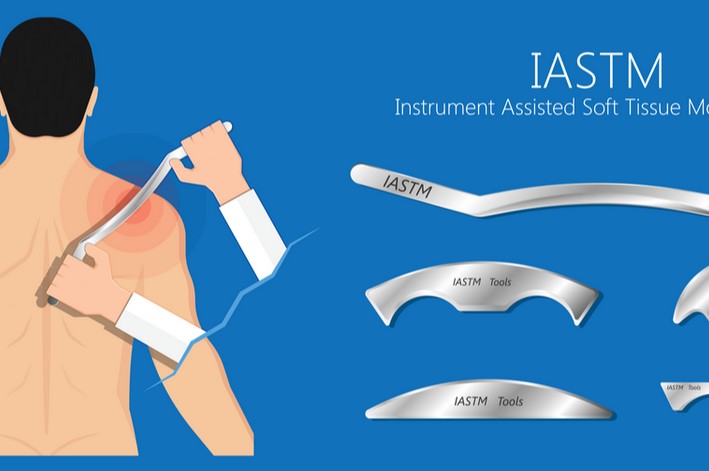
In the world of physical recovery and sports rehabilitation, muscle scraping tools have emerged as a revolutionary method for enhancing muscle recovery and performance. These tools, often made of stainless steel or other durable materials, are used to perform a technique known as Instrument Assisted Soft Tissue Mobilization (IASTM). The practice involves applying controlled pressure to specific areas of the body to promote healing, increase blood flow, and reduce tension. This article explores the benefits of muscle scraping tools, discusses proper techniques, and provides insights into incorporating them into recovery routines.
Understanding Muscle Scraping Tools
Muscle scraping tools are ergonomically designed instruments used to target soft tissues such as muscles, fascia, and tendons. They have become popular in rehabilitation clinics, athletic training, and even among individuals seeking at-home recovery solutions.
Benefits of Muscle Scraping Tools
- Improved Blood Circulation
The scraping motion stimulates blood flow in the targeted area, delivering essential nutrients and oxygen to the muscles. Enhanced circulation promotes quicker recovery from soreness and injuries. - Reduction of Muscle Tension
By breaking down adhesions and scar tissue, muscle scraping tools relieve tension in overworked or tight muscles. This can improve flexibility and range of motion. - Faster Recovery
For athletes, muscle scraping accelerates the recovery process after intense workouts by reducing lactic acid buildup and inflammation. It’s a go-to technique for maintaining peak performance. - Non-Invasive Pain Relief
Unlike some invasive treatments, muscle scraping is a non-invasive approach to managing chronic pain conditions such as tendonitis, plantar fasciitis, and carpal tunnel syndrome. - Prevention of Injuries
Regular use of muscle scraping tools can help maintain healthy muscle tissue, reducing the likelihood of strains and injuries.
Techniques for Using Muscle Scraping Tools
Using muscle scraping tools effectively requires an understanding of basic techniques and safety precautions.
- Preparation
Before starting, ensure the skin is clean and free of any lotions or oils. Apply a small amount of lubricant to the targeted area to reduce friction and prevent irritation. - Proper Tool Selection
Choose a tool that fits comfortably in your hand and matches the size of the treatment area. Smaller tools are ideal for precise areas like wrists, while larger tools work well for thighs or back. - Applying Pressure
Start with light pressure and gradually increase as needed. Excessive force can lead to bruising or discomfort. The goal is to stimulate the tissue without causing pain. - Scraping Technique
Hold the tool at a 30-45 degree angle and make long, smooth strokes along the muscle fibers. Focus on areas with knots or tightness, but avoid scraping over bones or joints. - Duration and Frequency
Limit sessions to 5-10 minutes per muscle group, and avoid overusing the tool on the same area multiple times a day. Give muscles time to heal between sessions.
Integrating Muscle Scraping into Your Routine
Incorporating muscle scraping tools into your recovery regimen can amplify their benefits when combined with other practices like stretching, hydration, and proper nutrition. Whether you’re a professional athlete, fitness enthusiast, or someone recovering from an injury, consistency is key to reaping the rewards.
Professional Guidance
If you’re new to muscle scraping, consider consulting a licensed physical therapist or certified trainer. They can demonstrate proper techniques and ensure that you’re using the tools safely and effectively.
Muscle scraping tools offer a practical and efficient method for enhancing muscle recovery, improving circulation, and reducing tension. By understanding their benefits and mastering the techniques, individuals can take charge of their recovery process and maintain optimal muscle health. As a non-invasive and accessible solution, these tools have the potential to revolutionize personal and professional approaches to physical therapy. Incorporating muscle scraping tools into your routine could be the key to faster recovery and sustained performance.