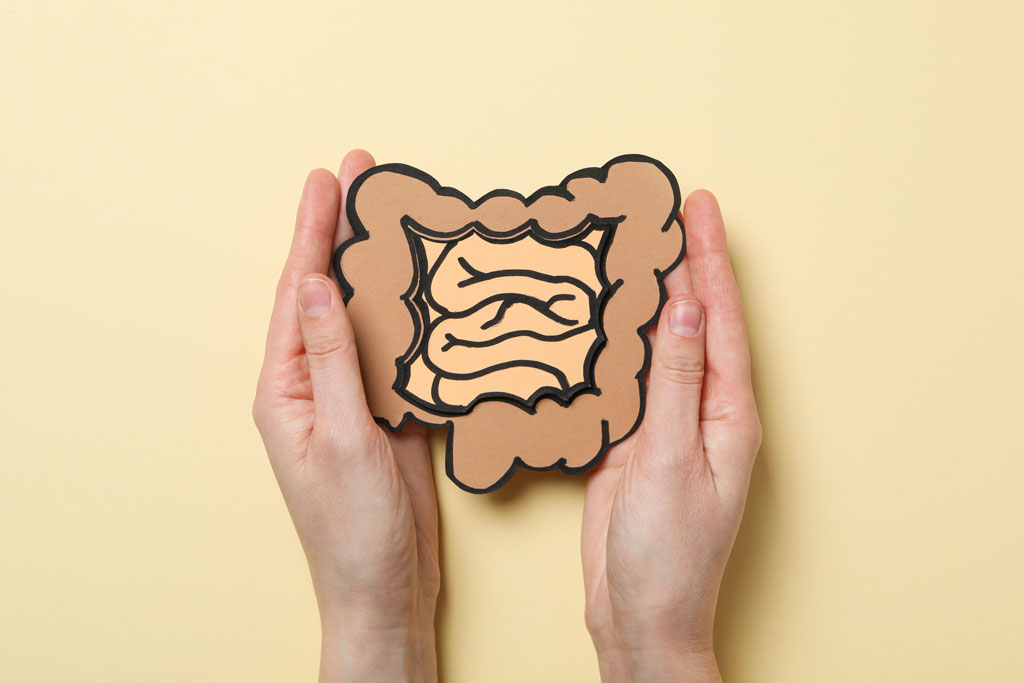
lectins and leaky gut are two topics that have been gaining a lot of attention in the health and wellness community. Lectins are proteins found in many plant-based foods that can cause digestive issues and inflammation in some people. Leaky gut is a condition in which the lining of the intestines becomes damaged, allowing toxins, bacteria, and other substances to pass through the intestinal wall and into the bloodstream. The link between lectins and leaky gut is an area of research that is still being explored. This article will discuss the potential connection between lectins and leaky gut, as well as the potential implications for gut health.
How Lectins Can Contribute to Leaky Gut Syndrome: Exploring the Link to Gut Health
Lectins are a type of protein found in many plant-based foods, such as grains, legumes, and nightshade vegetables. While they are essential for the growth and development of plants, they can cause digestive issues in humans. In particular, lectins have been linked to leaky gut syndrome, a condition in which the lining of the intestines becomes damaged, allowing toxins and bacteria to pass through the gut wall and into the bloodstream. This can lead to a variety of health problems, including food sensitivities, inflammation, and autoimmune diseases.
So, how do lectins contribute to leaky gut syndrome? Lectins are known to bind to the cells of the gut wall, causing inflammation and damage. This damage can weaken the gut wall, making it more permeable and allowing toxins and bacteria to pass through. Additionally, lectins can interfere with the absorption of nutrients, leading to malnourishment and further weakening the gut wall.
In addition to causing damage to the gut wall, lectins can also disrupt the balance of beneficial bacteria in the gut. This can lead to an overgrowth of harmful bacteria, which can further damage the gut wall and contribute to leaky gut syndrome.
Fortunately, there are steps you can take to reduce your exposure to lectins and protect your gut health. The first step is to reduce your intake of lectin-containing foods, such as grains, legumes, and nightshade vegetables. Additionally, you can soak, sprout, or ferment these foods to reduce their lectin content. Finally, you can take probiotics to help restore the balance of beneficial bacteria in your gut.
By taking these steps, you can help protect your gut health and reduce your risk of developing leaky gut syndrome.
The Role of Diet in Managing Leaky Gut Syndrome: Examining the Impact of Lectins on Gut Health
Leaky gut syndrome is a condition in which the lining of the intestines becomes damaged, allowing toxins, bacteria, and other substances to pass through the intestinal wall and into the bloodstream. This can lead to a variety of symptoms, including digestive issues, fatigue, skin problems, and food sensitivities. Fortunately, diet can play an important role in managing leaky gut syndrome. In particular, the impact of lectins on gut health is an important factor to consider.
Lectins are proteins found in many plant-based foods, such as grains, legumes, and nightshade vegetables. While some lectins are beneficial, others can be difficult for the body to digest and can cause inflammation in the gut. This can lead to an increase in intestinal permeability, which can worsen leaky gut syndrome. Therefore, it is important to limit the intake of foods that contain high levels of lectins, such as wheat, beans, and potatoes.
In addition to avoiding foods that contain high levels of lectins, it is also important to focus on eating foods that are beneficial for gut health. These include fermented foods, such as yogurt and sauerkraut, as well as probiotic supplements. Eating plenty of fiber-rich foods, such as fruits, vegetables, and whole grains, can also help to promote a healthy gut. Additionally, omega-3 fatty acids, found in fish and flaxseed, can help to reduce inflammation in the gut.
Finally, it is important to stay hydrated and to limit the intake of processed foods, sugar, and alcohol. All of these can contribute to inflammation in the gut and can worsen leaky gut syndrome.
In conclusion, diet can play an important role in managing leaky gut syndrome. Limiting the intake of foods that contain high levels of lectins, such as wheat, beans, and potatoes, is important. Additionally, eating plenty of fiber-rich foods, fermented foods, and omega-3 fatty acids can help to promote a healthy gut. Finally, staying hydrated and limiting the intake of processed foods, sugar, and alcohol can also help to reduce inflammation in the gut. By following these dietary guidelines, it is possible to manage leaky gut syndrome and improve overall gut health.In conclusion, the link between lectins and leaky gut is an important one to consider when it comes to gut health. Lectins are a type of protein found in many plant-based foods that can cause inflammation and damage to the gut lining, leading to leaky gut. Leaky gut can lead to a variety of health issues, including digestive issues, food sensitivities, and autoimmune diseases. Therefore, it is important to be aware of the potential risks associated with lectins and to take steps to reduce their intake. Eating a balanced diet that is low in lectins and high in fiber, healthy fats, and probiotics can help to support gut health and reduce the risk of leaky gut.