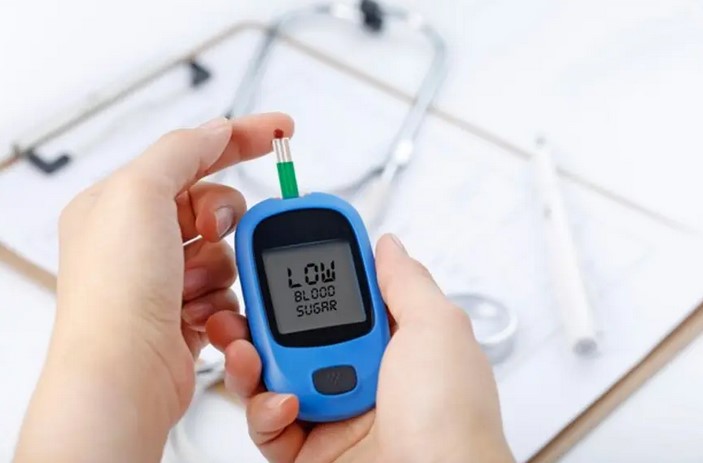
Reactive hypoglycemia is a condition in which the body experiences a sudden drop in blood sugar levels after eating. This can cause a range of symptoms, including dizziness, fatigue, confusion, and anxiety. If left untreated, it can lead to more serious health complications. Fortunately, there are medications available to help manage reactive hypoglycemia and its symptoms. These medications work by helping to regulate blood sugar levels and reduce the frequency and severity of hypoglycemic episodes. In this article, we will discuss the different types of medications available for reactive hypoglycemia, how they work, and their potential side effects.
Exploring the Benefits of Reactive Hypoglycemia Medication for Managing Blood Sugar Swings
Reactive hypoglycemia is a condition that affects many people, and it can be difficult to manage. Fortunately, there are medications available that can help to control blood sugar swings and provide relief from the symptoms of reactive hypoglycemia. In this article, we will explore the benefits of reactive hypoglycemia medication and how it can help to manage blood sugar swings.
Reactive hypoglycemia is a condition in which the body’s blood sugar levels drop too low after eating. This can cause a variety of symptoms, including dizziness, fatigue, confusion, and even fainting. If left untreated, reactive hypoglycemia can lead to serious health complications.
Medication is one of the most effective ways to manage reactive hypoglycemia. Medications such as insulin and sulfonylureas can help to regulate blood sugar levels and prevent them from dropping too low. These medications can also help to reduce the symptoms of reactive hypoglycemia, such as dizziness and fatigue.
In addition to regulating blood sugar levels, reactive hypoglycemia medication can also help to reduce the risk of long-term health complications. Studies have shown that people with reactive hypoglycemia who take medication are less likely to develop diabetes or heart disease. This is because the medication helps to keep blood sugar levels in a healthy range, which can reduce the risk of developing these conditions.
Finally, reactive hypoglycemia medication can also help to improve quality of life. People with reactive hypoglycemia often experience fatigue and other symptoms that can make it difficult to participate in activities or work. Taking medication can help to reduce these symptoms and make it easier to live a normal life.
In conclusion, reactive hypoglycemia medication can be an effective way to manage blood sugar swings and reduce the risk of long-term health complications. It can also help to improve quality of life by reducing the symptoms of reactive hypoglycemia. If you have been diagnosed with reactive hypoglycemia, talk to your doctor about the benefits of medication and how it can help you manage your condition.
Understanding the Different Types of Reactive Hypoglycemia Medication and Their Side Effects
Reactive hypoglycemia is a condition in which a person experiences low blood sugar levels after eating. It can cause symptoms such as dizziness, sweating, confusion, and fatigue. Fortunately, there are several medications available to help manage this condition.
The most common type of medication used to treat reactive hypoglycemia is oral hypoglycemic agents. These medications work by stimulating the pancreas to produce more insulin, which helps to regulate blood sugar levels. Common oral hypoglycemic agents include glipizide, glyburide, and glimepiride. These medications can cause side effects such as nausea, vomiting, diarrhea, and headaches.
Another type of medication used to treat reactive hypoglycemia is insulin. Insulin is a hormone that helps the body use glucose for energy. It can be taken as an injection or through an insulin pump. Common side effects of insulin include weight gain, low blood sugar levels, and skin irritation.
Finally, there are medications that help to slow the absorption of carbohydrates. These medications work by slowing down the digestion of carbohydrates, which helps to prevent sudden spikes in blood sugar levels. Common medications in this category include acarbose and miglitol. Side effects of these medications can include abdominal pain, diarrhea, and flatulence.
In conclusion, there are several medications available to help manage reactive hypoglycemia. It is important to discuss the potential side effects of each medication with your doctor before starting any treatment. With the right medication and lifestyle changes, you can successfully manage your condition and live a healthy life.Reactive Hypoglycemia is a serious condition that can have a significant impact on a person’s quality of life. Fortunately, there are a variety of medications available to help manage the symptoms of Reactive Hypoglycemia. These medications can help to stabilize blood sugar levels and reduce the frequency and severity of hypoglycemic episodes. With proper management, individuals with Reactive Hypoglycemia can lead a normal, healthy life.