For many creative individuals, having a dedicated space to work on projects is essential to their craft. Whether you’re a woodworker, a painter, a DIY enthusiast, or an aspiring inventor, the right home workshop designs can foster creativity, improve productivity, and make your projects more enjoyable. A well-organized and thoughtfully designed workshop provides both functionality and inspiration, helping you turn ideas into reality. In this article, we’ll explore various home workshop designs and tips for creating the perfect space tailored to your creative needs.
1. Space Planning for a Functional Workshop
The first step in creating an ideal home workshop is considering how much space you have and how it will be utilized. Home workshops come in various sizes, from compact setups in a garage corner to expansive, multi-room spaces. Regardless of size, efficient space planning is key to ensuring that your workshop remains functional, organized, and conducive to creativity.
Key Considerations:
- Size of the Room: Whether you have a small, dedicated room or a large garage to work with, it’s important to allocate specific areas for different tasks. For example, if you’re into woodworking, you’ll need a sturdy workbench, ample storage for tools, and a designated area for cutting and sanding. If you’re an artist, a space to store paints, canvases, and brushes will be crucial.
- Work Zones: Divide your workshop into different zones based on your projects. A separate area for cutting, crafting, and assembling will keep your workflow organized and efficient. For those who need to use machines, such as a lathe or a drill press, ensure that these tools are placed safely and with enough space around them for easy access and movement.
- Workflow Efficiency: Consider your workflow when designing the space. Organize your tools and materials based on how often they’re used. Keep frequently used items close to your workbench, while items that are used less often can be stored in cabinets or high shelves.
In small workshops, it’s important to maximize vertical space by installing shelving, pegboards, or overhead storage systems. Larger spaces offer more freedom for work zones, but the principle of organizing tools based on frequency remains the same. Space planning is all about creating an environment where everything you need is easily accessible and well-organized.
2. Incorporating Essential Tools and Storage Solutions
A home workshop isn’t complete without the right tools and an organized storage system. Depending on your type of projects, the tools required will vary, but an effective storage system can keep your tools safe, accessible, and easy to find.
Essential Tools and Storage:
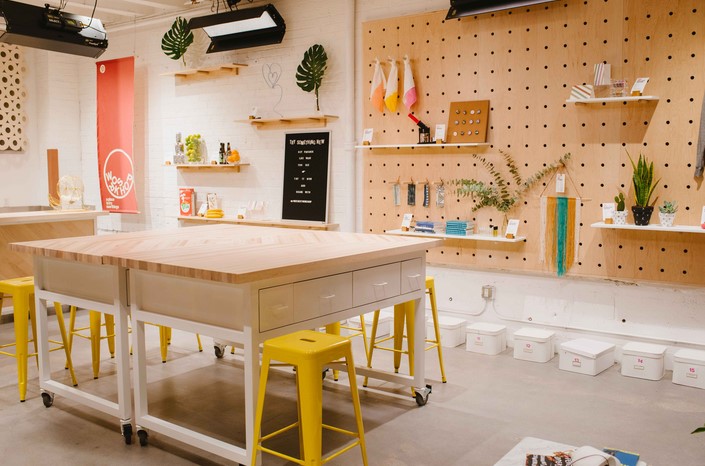
- Workbench: Every workshop needs a solid workbench that provides a stable surface for your projects. A sturdy workbench with built-in drawers or cabinets can be the focal point of your home workshop design. Ensure that the height of the workbench is comfortable for prolonged use, and consider adding a vice or clamp mounts for added functionality.
- Tool Storage: Keep your tools well-organized and easy to access. Use pegboards, tool chests, rolling carts, or custom cabinets to store hand tools, power tools, and materials. Labeling drawers and containers is essential for quick retrieval of specific tools.
- Shelving Units: High, wall-mounted shelves help maximize your space while keeping materials such as wood, metal, or paint out of the way but still within reach. For heavier items, opt for sturdy shelving units that can support the weight of your supplies without risking instability.
- Safety Storage: If your creative projects involve hazardous materials such as paints, chemicals, or heavy machinery, it’s crucial to include safety measures in your storage design. Install fireproof cabinets for chemicals, and ensure that tools and equipment are stored properly to avoid accidents.
While these storage solutions help with organization, they also create a more efficient workflow. Ensuring that your tools and materials are stored neatly and within reach prevents clutter and wasted time searching for the right item. A well-designed storage system ensures that your home workshop stays organized, making it easier to focus on your creative work.
3. Enhancing the Workspace with Lighting, Ventilation, and Comfort
Once you’ve planned the layout and organized the tools, it’s time to focus on creating a comfortable and safe working environment. The right lighting, ventilation, and seating can transform your home workshop into a space where you can stay productive for hours.
Lighting:
Good lighting is critical in any home workshop, as it allows you to see your work clearly and reduces the risk of accidents. Use a combination of ambient, task, and accent lighting to brighten the entire space and focus light where it’s needed most.
- Ambient Lighting: Overhead lights that provide even illumination throughout the workshop.
- Task Lighting: Adjustable lamps or spotlights focused on your workbench or areas where you perform detailed tasks.
- Accent Lighting: LED strips or spotlights for added visibility and to highlight particular areas of the workshop.
Consider LED lights for their energy efficiency and long lifespan. Installing dimmable lights can also help you adjust the intensity based on your project’s needs.
Ventilation:
Proper ventilation is essential, especially if you work with paints, chemicals, or other materials that release fumes. Install exhaust fans or a ventilation system to circulate fresh air and remove harmful vapors. If your workshop is in a basement or enclosed area, consider opening windows or adding a ventilation system to improve airflow and keep the environment safe.
Comfort:
Spending long hours in your workshop can lead to fatigue, so comfort is key to maintaining productivity. Consider an ergonomic chair or stool for seating at your workbench, and add anti-fatigue mats if you’re standing for extended periods. If you live in a climate with extreme temperatures, consider heating or cooling options to ensure a comfortable environment year-round.
When planning your perfect creative space, home workshop designs should prioritize functionality, organization, and comfort. Whether you’re working with wood, metal, or paint, a well-organized and thoughtfully planned workshop can make a significant difference in how efficiently and creatively you work. From space planning to incorporating the right tools and storage solutions, every detail plays a role in making your workshop an inspiring environment. By focusing on these key aspects and customizing your space to suit your projects, you’ll create a workshop that not only meets your needs but also fuels your creativity. A carefully designed home workshop will encourage you to explore new ideas and transform your creative projects into impressive works of art.