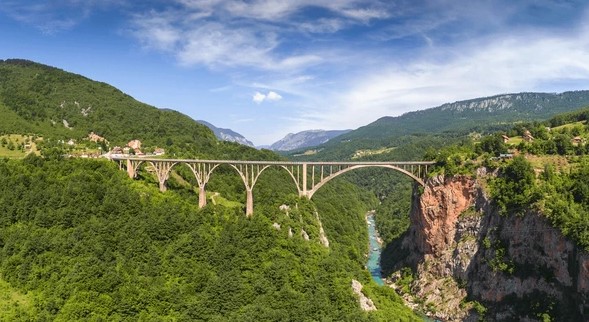
Nestled in the heart of Montenegro, the Tara Bridge stands as a breathtaking testament to the region’s natural beauty and architectural ingenuity. Spanning the mighty Tara River, this iconic structure not only offers stunning views of the surrounding landscape but also serves as a vital connection between the northern and southern regions of Montenegro. The Tara Bridge is a symbol of the country’s rich history, cultural heritage, and unspoiled nature. In this article, we will delve into the history, architectural marvel, and the environmental significance of Tara Bridge, exploring why it remains one of Montenegro’s most beloved landmarks.
1. The Historical Significance of Tara Bridge
The history of Tara Bridge is closely tied to the development of Montenegro’s infrastructure in the 20th century. Its construction, though not without challenges, marked an important milestone in the country’s ability to connect remote regions and foster economic development.
1.1 The Construction and Inception
Built between 1937 and 1940, the Tara Bridge was initially part of a larger project to improve the transportation network in Montenegro. The bridge was designed by the distinguished Yugoslav engineer, Vladimir Tadej, who was tasked with creating a structure that would not only be functional but also blend seamlessly with the natural surroundings.
At the time of its construction, the Tara Bridge was the largest and highest bridge in the former Yugoslavia. It spans a remarkable 365 meters (1,198 feet) in length and rises 130 meters (427 feet) above the Tara River, making it a striking visual landmark. The bridge’s strategic location, crossing the Tara Canyon, helped facilitate the movement of goods and people between the capital, Podgorica, and the northern parts of the country, which were once isolated by rough terrain and limited road access.
The construction process faced several challenges due to the difficult terrain and unpredictable weather conditions. Despite these obstacles, the Tara Bridge was completed successfully and quickly became a vital piece of infrastructure in the region. It also became a symbol of engineering excellence during the era.
1.2 The Tara Bridge During and After World War II
During World War II, the Tara Bridge suffered significant damage due to bombing by German forces. The attack was part of a larger effort to disrupt Yugoslav resistance movements, which had used the bridge to transport supplies. The destruction of the bridge during the war was a major blow to the region, as it severely hindered transportation and economic activities.
In the years following the war, the bridge was reconstructed and re-established as an important part of the region’s infrastructure. The rebuilt Tara Bridge served as a reminder of Montenegro’s resilience and determination to overcome adversity. Today, the bridge not only serves as a functional transportation route but also attracts visitors from around the world who come to admire its beauty and history.
2. Architectural and Natural Beauty of Tara Bridge
One of the most striking features of the Tara Bridge is its ability to seamlessly integrate with the surrounding landscape. The bridge’s design takes full advantage of its natural setting, with the Tara River flowing below and the lush greenery of the Tara Canyon surrounding it. This stunning blend of human engineering and natural beauty has made the Tara Bridge a significant landmark and a popular destination for both tourists and locals alike.
2.1 The Bridge’s Unique Design
The Tara Bridge is a suspension bridge, a design that allows for a high level of flexibility and strength. The bridge is supported by four massive concrete pillars, with the two largest pillars standing at 130 meters (427 feet). These towering supports give the bridge its incredible height and provide panoramic views of the Tara River and surrounding forested hills.
The bridge is constructed with steel and concrete, materials that were cutting-edge at the time of its construction. Its design is both functional and aesthetically pleasing, with clean lines and a streamlined structure that does not overwhelm the natural beauty of the landscape. The iconic shape of the bridge, with its sweeping arches and elegant curves, adds to its visual appeal, making it one of the most photographed landmarks in Montenegro.
2.2 The Tara Canyon: A UNESCO World Heritage Site
The Tara Bridge is situated above the Tara Canyon, which is one of the most dramatic and beautiful natural features in Montenegro. The Tara River has carved out this spectacular canyon over millions of years, and it is now considered one of the deepest canyons in Europe, second only to the Grand Canyon in the United States. The canyon itself is home to a rich diversity of flora and fauna, some of which are endemic to the region, adding to its ecological significance.
The Tara River is often referred to as the “tear of Europe” because of its crystal-clear waters, which are renowned for their purity. The river and the surrounding canyon are part of the Durmitor National Park, which was designated as a UNESCO World Heritage Site in 1980 due to its exceptional natural beauty and biodiversity. The Tara Bridge provides an excellent vantage point for visitors to admire the sweeping views of the canyon and river below, making it a must-see destination for nature lovers and photographers alike.
3. Tourism and Activities Around Tara Bridge
Over the years, the Tara Bridge has become one of Montenegro’s most iconic tourist attractions, drawing visitors from around the world. Its stunning natural surroundings, coupled with its historical significance and unique design, make it a prime destination for anyone exploring the country’s rich cultural and natural heritage.
3.1 Visiting Tara Bridge
Visiting the Tara Bridge is an unforgettable experience, particularly for those who love nature and photography. The bridge is easily accessible by car and is located just outside the town of Žabljak, a popular base for travelers exploring Durmitor National Park. Visitors can take a walk across the bridge to enjoy panoramic views of the Tara Canyon and the river below. There are also several viewpoints on both sides of the bridge where tourists can stop and take photographs of the breathtaking landscape.
For those seeking an adrenaline rush, there are opportunities for bungee jumping from the Tara Bridge, an activity that has become increasingly popular in recent years. The bridge’s height and stunning location make it a perfect spot for thrill-seekers looking to experience the beauty of Montenegro from a unique perspective.
3.2 Adventure Sports and Eco-Tourism
The region surrounding the Tara Bridge is also a hub for outdoor activities. The Tara River is a popular spot for rafting, with its fast-moving waters and pristine environment offering an exciting and challenging experience for adventurers. Additionally, hiking and mountain biking are popular activities in the Durmitor National Park, with trails that offer stunning views of the bridge and canyon.
Eco-tourism is a growing industry in Montenegro, and the Tara Bridge is at the heart of many eco-friendly travel experiences. Visitors can explore the surrounding forests, observe local wildlife, and learn about the region’s rich cultural history. Many tour operators offer guided hikes, river tours, and educational programs that focus on the importance of preserving the natural environment.
In conclusion, the Tara Bridge is much more than just a functional piece of infrastructure—it is a symbol of Montenegro’s stunning natural beauty, rich history, and architectural prowess. Whether you’re visiting to admire its incredible design, explore the surrounding landscapes, or simply take in the breathtaking views, the Tara Bridge offers something for everyone. It stands as a reminder of the country’s resilience through history, its commitment to preserving its natural environment, and its dedication to providing unforgettable experiences for travelers. As a vital link between the north and south of Montenegro, the Tara Bridge continues to play a central role in the country’s development while simultaneously serving as a must-visit destination for those seeking to connect with the beauty of this remarkable country.