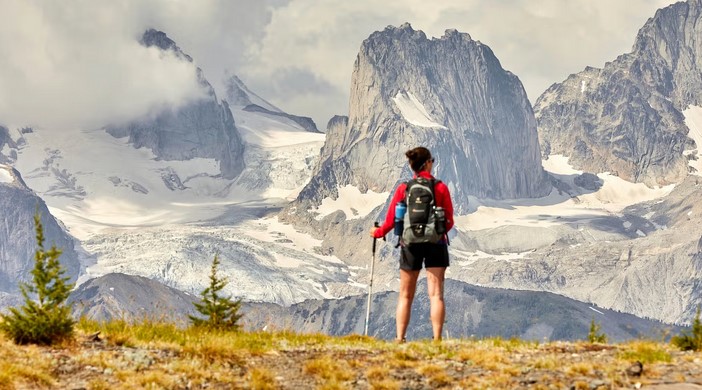
Mountain hiking is one of the most fulfilling outdoor activities, offering breathtaking views, physical challenges, and a chance to reconnect with nature. Whether you’re an experienced hiker looking for your next summit or a beginner eager to explore the wilderness, mountain hiking escapes can be tailored to all levels of ability and interest. From scenic, leisurely walks to intense, multi-day treks, there’s a perfect mountain adventure waiting for everyone. In this article, we will explore the diverse world of mountain hiking, how to plan a hiking escape for all levels, and why these outdoor adventures are so rewarding.
Why Mountain Hiking Escapes Are Worth Pursuing
There’s something inherently transformative about being in the mountains. The towering peaks, the fresh air, and the quiet of nature offer a refreshing escape from the hustle and bustle of everyday life. Whether you’re looking to challenge yourself physically, enjoy some much-needed solitude, or share the experience with friends and family, mountain hiking escapes provide an opportunity to do all of that and more.
1. Benefits of Mountain Hiking for All Levels
No matter your skill level, hiking in the mountains provides an abundance of benefits. The physical demands of hiking are a great way to stay fit, but the mental and emotional rewards are equally significant. Here’s why hiking in the mountains is so appealing to people of all experience levels:
1.1. Physical Health and Fitness
Hiking is an excellent full-body workout that strengthens muscles, improves cardiovascular health, and boosts endurance. For beginners, it’s an excellent way to build stamina and get used to outdoor exercise. More advanced hikers will benefit from more challenging terrains that test balance, coordination, and strength. The varying conditions of mountain trails—steep ascents, rocky paths, and uneven terrain—offer a comprehensive workout that’s hard to replicate in a gym.
Even if you’re starting with easy, accessible trails, the physical benefits are clear. Over time, as you increase the difficulty of your hikes, you’ll notice improvements in your fitness levels, which will motivate you to push yourself even further.
1.2. Mental Clarity and Stress Relief
Spending time in nature has been scientifically proven to reduce stress and improve mental clarity. The sense of accomplishment gained from reaching a summit or completing a challenging trail helps to boost self-esteem and instills a sense of pride. Many hikers report feeling a deep sense of peace and calm when surrounded by nature, away from the distractions of modern life. Whether you’re hiking in a quiet forest or high up in the mountains, the experience provides the perfect environment for meditation, reflection, and mental relaxation.
For beginners, it’s about embracing the journey and enjoying the small victories along the way. For more experienced hikers, the ability to tackle difficult trails or reach a challenging summit brings a heightened sense of achievement, further enhancing mental well-being.
1.3. Social Interaction and Bonding
While solo hikes offer personal reflection, hiking with friends or family can create lasting memories. Mountain hiking escapes are a perfect way to bond with others, whether you’re conquering your first trail with a friend or embarking on a more challenging trek with a loved one. Shared experiences in nature often lead to stronger relationships and create opportunities for new social connections.
Whether you’re hiking for solitude or companionship, mountain hiking offers a versatile environment for both solo adventurers and group hikers.
2. Planning Your Mountain Hiking Escape: Tailored to All Levels
Planning a mountain hiking escape can seem daunting, but with the right preparation, it can be a rewarding experience for any skill level. From choosing the right trail to understanding the necessary gear and safety precautions, here’s what you need to know to ensure a safe and enjoyable hike.
2.1. For Beginners: Easy Trails and Scenic Views
If you’re new to hiking, it’s important to start with trails that match your fitness level. Look for mountain hiking escapes that feature well-maintained paths, gradual inclines, and accessible terrain. Many national parks and nature reserves have beginner-friendly trails that allow hikers to enjoy the beauty of the mountains without overwhelming physical demands.
For example, trails in areas like the Great Smoky Mountains, the Canadian Rockies, or even the Italian Dolomites offer relatively easy hikes with incredible views. These trails often have clearly marked paths and information about the terrain and difficulty, so you can choose one that suits your fitness level.
Here are some tips for beginner hikers:
- Start with short hikes: Aim for hikes that last a few hours or less.
- Wear comfortable clothing: Moisture-wicking clothes and supportive shoes are key.
- Bring essentials: Water, snacks, sunscreen, and a map are crucial for every hike.
- Focus on pacing: Take regular breaks to avoid exhaustion.
By starting with easier trails, you’ll gain confidence, learn how to navigate the outdoors, and develop your hiking skills for more challenging adventures in the future.
2.2. For Intermediate Hikers: Moderate Trails and Scenic Summits
If you’ve gained some hiking experience and feel comfortable with shorter, easy trails, the next step is tackling moderate hikes. These hikes typically involve steeper inclines, longer durations, and more rugged terrain. They might also include higher altitudes, where you’ll experience more dramatic mountain views.
Intermediate hikes are perfect for those who want to step up the challenge without taking on a multi-day trek. Popular trails like those in Colorado’s Rocky Mountains or the Andes in South America offer options that take you higher into the mountains, providing spectacular views that are more difficult to reach but still accessible for experienced hikers.
When planning intermediate hikes, consider these factors:
- Evaluate trail difficulty: Look for trails labeled as moderate or intermediate.
- Prepare for altitude: Some hikes at higher elevations can lead to altitude sickness. Take time to acclimate if necessary.
- Ensure proper equipment: Hiking poles, weather-appropriate clothing, and additional supplies are often needed for longer, more challenging hikes.
These hikes offer a balance of adventure and reward, providing incredible vistas and a great sense of accomplishment upon completion.
2.3. For Advanced Hikers: Challenging Trails and Multi-Day Treks
For those who have been hiking for years and are looking to take on serious challenges, multi-day treks and high-altitude summits will be the ultimate test. These mountain hiking escapes push your limits, requiring endurance, preparation, and sometimes specialized gear. Trails in regions like the Swiss Alps, Nepal’s Annapurna Circuit, or the Pacific Crest Trail offer some of the most famous long-distance hikes in the world.
For experienced hikers, advanced trails provide a sense of exploration and the opportunity to test both physical and mental strength. These treks might take days or even weeks, but the reward of reaching a summit or completing an arduous path is incomparable.
Advanced hikers should:
- Be prepared for harsh conditions: Extreme weather, altitude changes, and rugged terrain.
- Carry specialized gear: This may include sleeping bags, cooking equipment, and sufficient water filtration.
- Know your limits: These hikes can be physically demanding, so it’s important to listen to your body and rest when needed.
3. Top Destinations for Mountain Hiking Escapes
No matter your skill level, the world offers countless stunning destinations for mountain hiking escapes. Here are a few top picks for hikers of all abilities:
- The Swiss Alps (Switzerland): With a range of trails from easy walks to challenging summits, the Swiss Alps are a hiker’s paradise.
- Rocky Mountain National Park (USA): Located in Colorado, the park offers hikes for all levels, from gentle nature walks to difficult summit routes.
- The Dolomites (Italy): Known for their dramatic peaks and scenic valleys, the Dolomites offer a variety of hikes that cater to all skill levels.
- Himalayas (Nepal): For advanced hikers, the Annapurna Circuit or Everest Base Camp trek is the ultimate challenge, providing awe-inspiring views and cultural immersion.
In conclusion, mountain hiking escapes are an excellent way for individuals and groups to enjoy nature, boost physical fitness, and experience the thrill of adventure. Whether you’re a beginner seeking an easy walk through the forest, an intermediate hiker tackling scenic summits, or an advanced hiker embarking on a multi-day trek, there is a perfect mountain adventure waiting for you. By choosing the right trail for your skill level, preparing properly, and embracing the natural world, you can create lasting memories and enjoy the many benefits that hiking in the mountains offers. So lace up your boots, pack your gear, and set out for the summit—you’ll be glad you did!