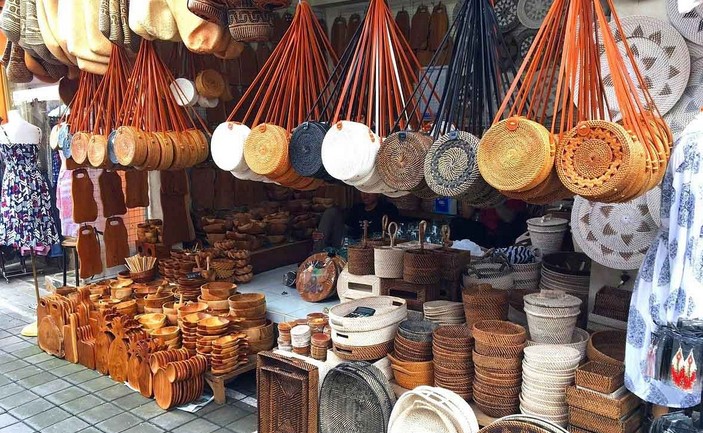
In a world where mass production often overshadows craftsmanship, cultural art villages stand as bastions of tradition, creativity, and authenticity. These villages, scattered across the globe, offer a rare glimpse into the heart of local cultures and artistic practices that have been passed down through generations. Whether it’s intricate pottery, handwoven textiles, or wood-carved masterpieces, cultural art villages provide an immersive experience that connects visitors to the roots of a community’s heritage. In this article, we explore the allure of cultural art villages, highlighting why they are worth exploring and how they preserve the timeless beauty of handcrafted artistry.
The Allure of Cultural Art Villages
Cultural art villages are much more than tourist attractions—they are living, breathing entities where artisans continue to practice their crafts in the same way their ancestors did. These villages are often located in remote or rural areas, far from the hustle and bustle of modern cities. The isolation of these places allows traditional art forms to thrive, untouched by mass-production techniques and commercialism. Visitors to these villages don’t just observe the art; they become part of a journey that connects them to the people who create it and the rich cultural stories embedded in every piece.
The allure of cultural art villages lies in their authenticity. In many of these communities, artisans welcome guests to watch the creation of art and even try their hand at these time-honored techniques. Whether it’s learning how to weave baskets in Guatemala or trying your hand at pottery in Japan, these immersive experiences create lasting memories and foster a deeper appreciation for the value of handmade artistry. Beyond simply buying art, visitors gain insight into the process, challenges, and joys of creating something by hand, making the experience not just a souvenir purchase, but a story they can carry with them.
1. Exploring the Rich History Behind Cultural Art Villages
At the heart of every cultural art village is a deep connection to history. Artisans in these villages don’t just create art—they tell stories through their work. The craft they practice often reflects the cultural, spiritual, and historical values of the community. Each art form, whether it’s weaving, pottery, or painting, is often a direct reflection of the environment, beliefs, and customs that shaped it.
1.1. Preserving Tradition and Craftsmanship
Many of the artistic traditions practiced in cultural art villages are centuries old, passed down through generations of skilled artisans. In villages like Oaxaca, Mexico, and Kyoto, Japan, craftsmanship is more than just a trade—it’s a way of life. Families continue to pass on their skills, techniques, and knowledge to younger generations, ensuring that traditional art forms are kept alive. The methods of creating these crafts are often painstakingly detailed, requiring years of practice and dedication to perfect. In this way, cultural art villages play a vital role in preserving cultural heritage, ensuring that unique artistic expressions are not lost to time.
1.2. Unique Materials and Techniques
What makes art in these villages particularly special is the use of local materials and unique techniques that are specific to the area. In villages like the “Clay Village” in Morocco, artisans craft pottery using centuries-old methods, including hand-molding the clay and firing it in traditional kilns. Similarly, in Bali, Indonesia, woodworkers carve intricate designs inspired by Hindu mythology, using wood that is locally sourced from the island’s lush forests. These materials are not only significant to the craft but also to the identity of the village itself. The textures, colors, and techniques are inherently tied to the landscape, making each piece of art not just a product but a representation of the place from which it originated.
2. Iconic Cultural Art Villages Around the World
There are countless cultural art villages scattered across the globe, each offering its own unique approach to craftsmanship and art. Below are just a few examples of villages that stand out for their dedication to preserving traditional art forms and offering authentic experiences for visitors.
2.1. Ubud, Bali – A Hub of Traditional Craftsmanship
Ubud, Bali is known as the cultural heart of Indonesia. It’s a place where art, spirituality, and nature converge in a harmonious blend. The village is famous for its wood carvings, traditional batik fabrics, and stone sculptures. Visitors can watch artisans handcraft intricate sculptures from local wood or watch the slow, meticulous process of dyeing fabric with natural pigments. Ubud’s markets also offer an array of handmade goods, from delicate jewelry to handcrafted leather goods, each with its own story to tell. Beyond shopping, visitors can also take part in workshops and learn how to create their own traditional Balinese crafts, making the experience both educational and enriching.
2.2. Sapa, Vietnam – Weaving Traditions of the Ethnic Minorities
In the mountains of northern Vietnam lies the town of Sapa, home to various ethnic minority groups, including the Hmong and Tay peoples. These communities are known for their extraordinary textile work, particularly intricate weaving and embroidery. In the villages surrounding Sapa, women have been weaving traditional fabrics for centuries, using hand-loomed techniques to create brightly colored garments and textiles. The designs often hold deep symbolic meanings, with each pattern telling a story about the community’s history and beliefs. Visitors can explore the villages, watch the weaving process in action, and purchase directly from the artisans, creating a meaningful connection between the craftspeople and their work.
2.3. Acoma Pueblo, New Mexico – Pottery and Tradition
The Acoma Pueblo, located in the desert of New Mexico, is one of the oldest continuously inhabited communities in the United States. The artisans of Acoma are renowned for their pottery, which is created using techniques that date back over 1,000 years. The pottery is meticulously hand-formed, often with beautiful geometric patterns or depictions of local wildlife and nature. Visitors can tour the village, watch potters work, and even take part in pottery workshops. The experience of learning about the Acoma people’s rich history and witnessing the creation of their stunning pottery is a unique and profound way to connect with Native American art traditions.
2.4. Djenne, Mali – Mud Architecture and Artisan Craft
The city of Djenne, located in central Mali, is famous for its mud-brick architecture and artisanal craftsmanship. Djenne’s mud mosque, the largest mud structure in the world, is an architectural marvel, and the city is also known for its handmade leather goods, pottery, and textiles. The artisans of Djenne use locally sourced clay to create stunning pottery, and the techniques are centuries old, passed down through generations. Visitors can explore the vibrant markets of Djenne, where artisans sell their wares, and participate in craft workshops that teach traditional techniques. The experience of witnessing both the architecture and the artistry of Djenne offers a truly immersive cultural experience.
3. The Future of Cultural Art Villages: Preserving Heritage in a Modern World
As globalization and mass production continue to spread, cultural art villages face the challenge of preserving their traditions while adapting to the changing world. Many villages rely on tourism as a vital source of income, which raises concerns about maintaining the authenticity of their crafts and practices. There’s also the issue of younger generations moving away from traditional craft industries in search of more modern, urban lifestyles. However, these challenges are met with innovative solutions, such as workshops, online markets, and collaborations with designers and international artists. By maintaining a balance between tradition and modernity, these villages ensure that their craftsmanship can survive and evolve for generations to come.
In conclusion, cultural art villages around the world offer a unique opportunity to experience the beauty of traditional craftsmanship and connect with local communities in a meaningful way. From the pottery of Acoma Pueblo to the weaving traditions of Sapa, each village showcases art that tells a story of its people, culture, and history. Visiting these villages is not just about buying art—it’s about engaging with the creators, understanding the intricate processes, and witnessing the soul of the culture. For anyone seeking an authentic, enriching travel experience, cultural art villages are a treasure trove of history, creativity, and handcrafted beauty that should not be missed.